
How Modern Plumbing Works: What Every Homeowner Should Know
Modern plumbing is an essential, often overlooked, backbone of comfortable, functional homes. From clean drinking water to efficient waste removal, plumbing systems enable daily life in ways many homeowners take for granted. Despite its ubiquity, the inner workings of contemporary plumbing remain a mystery to most. Understanding the fundamentals of how water flows into your home, how wastewater exits, and how various components interact can empower homeowners to make informed decisions, prevent costly damage, and ensure the longevity of their systems. With advances in technology, plumbing has evolved from simple pipe networks to sophisticated systems integrating water conservation, energy efficiency, and smart monitoring.
Today’s homeowners face unique challenges and opportunities when it comes to plumbing. Aging infrastructure, water quality concerns, and modern water usage patterns demand systems that are reliable, efficient, and adaptable. Learning how modern plumbing works is not just about maintenance—it’s about maximizing performance, minimizing risk, and optimizing the use of resources in your home. This blog provides a detailed look into the mechanics, components, and best practices for modern plumbing, equipping homeowners with actionable knowledge to maintain and upgrade their
plumbing systems effectively.
Unfiltered Water Can Pose Hidden Risks
Water Supply Systems
At the heart of any plumbing system is the water supply that powers every fixture within a home. Modern homes typically receive water from a municipal source or a private well, ensuring safe and reliable access to water at all times. Municipal water is carefully treated for safety and pressurized for distribution throughout neighborhoods, while private wells rely on pumps to move water from underground sources to the home. The water enters a home through a main supply line, which branches into smaller pipes delivering water efficiently to kitchens, bathrooms, laundry areas, and outdoor faucets for irrigation or cleaning.
Drainage and Waste Removal
Equally critical is the drainage system, which ensures wastewater exits the home efficiently, safely, and hygienically. Wastewater flows from sinks, toilets, and showers into drain pipes, ultimately reaching a municipal sewer system or a private septic tank designed for effective treatment. Gravity is a key factor in drainage, so drains are carefully sloped to prevent blockages, backups, and potential flooding. Vent pipes are also integrated to allow air to enter the system, balancing pressure and preventing water traps from siphoning dry, which could otherwise allow dangerous sewer gases into the living spaces of the home.
Key Takeaways
- Modern plumbing relies on pressurized water supply and gravity-driven waste removal systems for efficiency.
- Durable, modern materials significantly reduce leaks, corrosion risks, and long-term maintenance needs.
- Shut-off valves and venting systems enhance control, safety, and overall plumbing system performance.
Plumbing Fixtures and Their Mechanics
Kitchen and Bathroom Fixtures
Fixtures like sinks, faucets, showers, and toilets are more than aesthetic elements—they are complex mechanisms engineered for both efficiency and durability. Faucets often use ceramic disc cartridges or compression valves to precisely control water flow, preventing annoying drips and conserving water effectively. Modern toilets utilize dual-flush systems that reduce water consumption while maintaining optimal waste removal efficiency.
Showers incorporate mixing valves that combine hot and cold water to maintain a consistent temperature during use, ensuring comfort and safety. Advanced options like thermostatic valves automatically adjust water flow to prevent sudden temperature fluctuations, protecting homeowners from scalding accidents. Understanding how these fixtures operate helps homeowners troubleshoot minor issues such as leaks, slow drainage, or uneven water pressure without immediately needing professional intervention or costly repairs.
Water Heaters
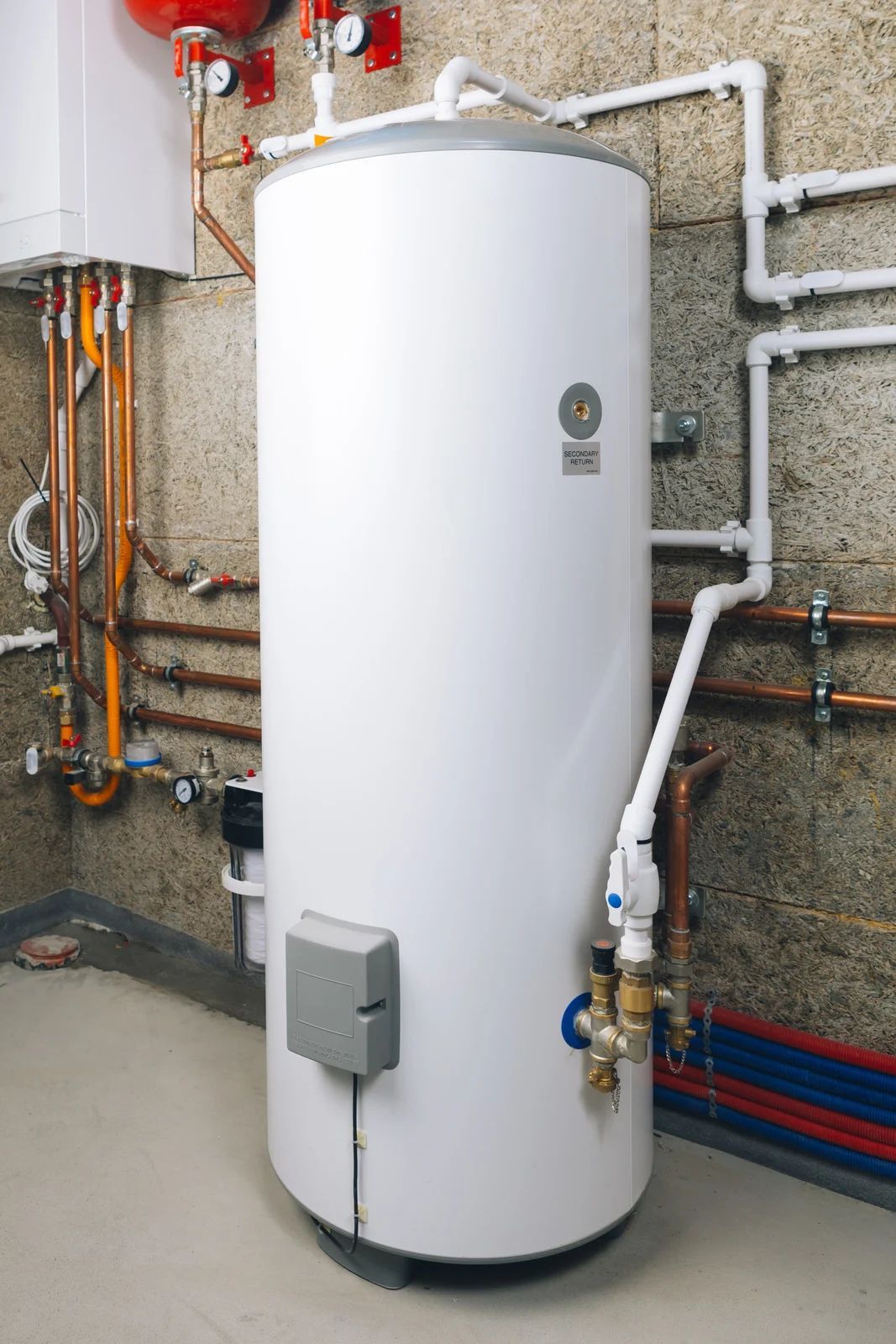
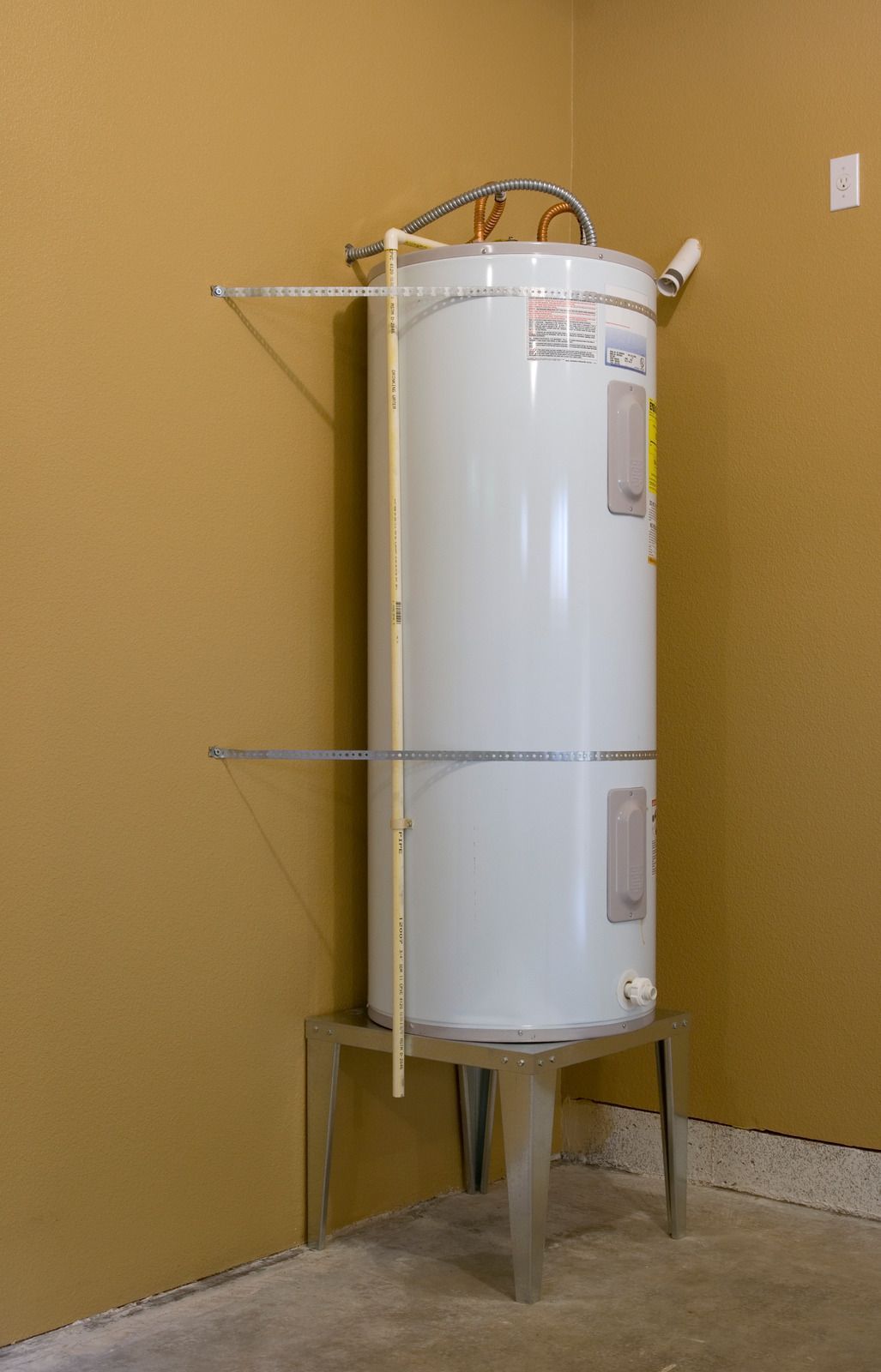
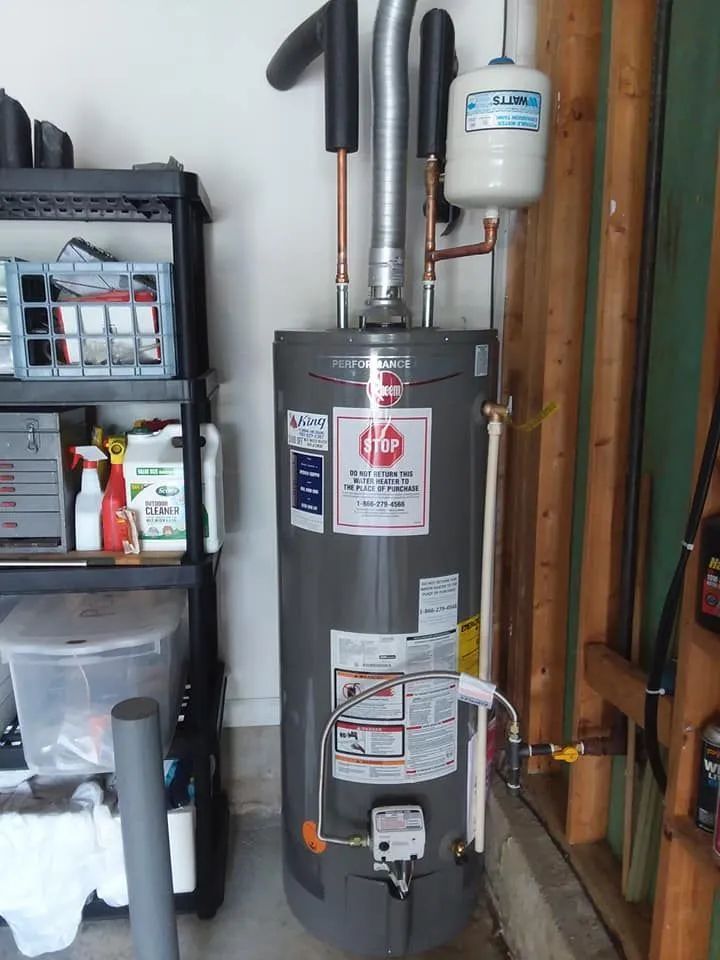
Water heaters are an integral component of home plumbing that homeowners often overlook until problems arise. They come in tank-based and tankless models to meet different household needs. Tank heaters store hot water for immediate use, while tankless systems heat water on demand, improving overall energy efficiency and reducing unnecessary standby energy loss. Modern plumbing often includes recirculation pumps that reduce wait times for hot water at distant fixtures, saving both water and energy. Regular maintenance, including flushing sediment buildup and checking pressure relief valves, extends the lifespan of water heaters and prevents expensive system failures.
Key Takeaways
- Fixtures combine mechanical and hydraulic principles to deliver water efficiently throughout homes.
- Dual-flush toilets and thermostatic systems improve water conservation and household safety simultaneously.
- Proper water heater selection, maintenance, and system monitoring enhance energy efficiency effectively.
Common Plumbing Challenges and How to Avoid Them
Leaks and Water Damage
Leaky pipes, fixtures, and fittings are among the most common plumbing issues faced by homeowners. Undetected leaks can cause structural damage, mold growth, and significantly elevated utility bills if not addressed promptly. Modern plumbing materials like PEX reduce leak risks, but aging pipes, loose fittings, and faulty seals remain vulnerabilities in older homes. Routine inspections, including monitoring water meters for unusual usage patterns or pressure changes, are vital for early leak detection and prevention of costly repairs.
Clogs and Blockages
Clogs in sinks, toilets, and drains are another frequent problem in home plumbing systems. Modern homes use traps, venting, and smooth pipe interiors to minimize debris buildup, but hair, grease, soap scum, and foreign objects can still cause stubborn blockages. Preventative measures include using drain screens, proper disposal of waste, and periodic professional cleaning with drain snakes or hydro-jetting equipment to maintain optimal flow.
Water Pressure Issues
Low or fluctuating water pressure can indicate underlying plumbing problems such as pipe corrosion, mineral or sediment buildup, or partially closed valves. Installing pressure regulators can maintain consistent flow, while annual maintenance checks can identify and correct pressure problems before they escalate into serious issues, ensuring the plumbing system continues to operate efficiently and reliably.
Key Takeaways
- Routine inspections prevent leaks, water damage, and expensive emergency repairs effectively.
- Proper usage habits and preventative maintenance significantly reduce clogs and drainage problems.
- Consistent water pressure regulation ensures efficient system performance and household comfort.
Modern Plumbing Technologies
Smart Plumbing Solutions
Smart home integration has increasingly entered the plumbing sector, offering leak detectors, smart water meters, and app-controlled fixtures. These devices actively monitor water usage, detect leaks early, and provide instant alerts to homeowners via smartphones or central home systems. Early detection of issues can prevent costly water damage and promotes sustainable, responsible water usage throughout the household.
Water Filtration and Purification
Homeowners are increasingly investing in whole-house filtration systems to improve water quality for drinking, cooking, and cleaning. Filters remove contaminants such as chlorine, sediment, and heavy metals, while ultraviolet (UV) systems and reverse osmosis units provide additional purification for safe, high-quality water. Clean water also protects plumbing infrastructure by reducing mineral buildup, corrosion, and damage to fixtures and appliances over time.
Eco-Friendly Plumbing
Water conservation has become a critical consideration in modern home design. Plumbing systems now incorporate low-flow faucets, dual-flush toilets, and tankless water heaters to reduce consumption while maintaining performance. Rainwater harvesting and graywater recycling systems are also gaining popularity, allowing homeowners to reuse water efficiently for irrigation, landscaping, or non-potable applications, significantly lowering water bills.
Key Takeaways
- Smart technology enhances plumbing efficiency, safety, and real-time monitoring.
- Filtration systems protect both human health and plumbing infrastructure simultaneously.
- Eco-friendly fixtures and systems reduce overall consumption and environmental impact substantially.
Plumbing Maintenance and Best Practices
Routine Inspection and Maintenance
Preventive maintenance is essential for extending the life of modern plumbing systems and reducing long-term repair costs. Homeowners should regularly inspect visible pipes, fixtures, and connections for leaks, corrosion, or unusual sounds indicating potential problems. Drains should be cleaned periodically, and water heaters should be flushed annually to remove sediment buildup, ensuring consistent performance and efficiency.
Seasonal Considerations
Plumbing systems are affected by seasonal changes, requiring specific adjustments to prevent damage. In colder climates, pipes should be insulated to prevent freezing, while outdoor faucets should be winterized and irrigation systems drained to avoid pipe bursts. In warmer regions, regular checks for water pressure fluctuations, leaks, or pipe expansion are essential to maintain system efficiency and conserve water effectively throughout the year.
Hiring Professionals
While minor tasks such as cleaning drains, replacing washers, or adjusting valves can be handled by homeowners, professional plumbers provide expertise for complex problems. Licensed professionals perform system inspections, camera diagnostics, pipe replacements, and water heater servicing with precision, safety, and compliance with local building codes. Engaging experienced plumbers ensures proper installation, reduces long-term risks, and safeguards both property and health from preventable plumbing failures.
Key Takeaways
- Regular inspections and maintenance prevent costly repairs, water damage, and system inefficiencies.
- Seasonal adjustments safeguard plumbing systems against extreme temperature fluctuations and wear.
- Professional expertise is essential for complex repairs, upgrades, and installations, ensuring long-term reliability.
Reliable Plumbing Services Homeowners Can Count On
Modern plumbing is a sophisticated combination of science, technology, and practical engineering. From water supply and drainage to fixtures, water heaters, and advanced technologies, every component plays a critical role in ensuring a home’s functionality and safety. Understanding these systems empowers homeowners to maintain their plumbing proactively, troubleshoot minor issues, and make informed decisions when upgrading or installing new equipment. Routine maintenance, awareness of potential challenges, and adoption of modern technologies can significantly enhance efficiency, water conservation, and overall home comfort.
For residents in Shallotte and Brunswick County, North Carolina, King Plumbing and Drains, LLC brings 27 years of trusted expertise to every home plumbing project. Our team is committed to providing reliable,
professional, and comprehensive plumbing services.
Whether it’s routine maintenance, emergency repairs, or system upgrades, we combine decades of experience with the latest technology to ensure your home’s plumbing operates at peak performance. Homeowners can rely on us for transparent, efficient, and lasting solutions backed by proven expertise.