
5 Ways to Save Money on Your Plumbing Bill
Plumbing issues can be costly, but there are easy ways to save money if you stay proactive. With a little effort, you can reduce your water usage and avoid expensive repairs. The key is to deal with problems early and take steps to keep your plumbing system running smoothly. In this blog, we’ll discuss five simple methods that can help lower your plumbing costs. These are practical tips that don’t require a lot of effort but can lead to big savings over time. Let’s explore how you can cut down on plumbing expenses with a few straightforward changes.
1. Fix Leaks Immediately
Leaky faucets or pipes may seem like a small problem, but they can waste a lot of water and lead to higher bills. Even a slow drip adds up over time. If you notice a leak, it’s important to fix it right away. Ignoring leaks can result in bigger problems that are more expensive to repair. Regularly check your faucets, toilets, and visible pipes for any signs of leaks. A quick repair today can prevent a bigger, costlier repair down the road and will save you money on your water bill.
2. Use Water-Saving Fixtures
Upgrading to water-saving fixtures is an easy way to lower your water usage. Low-flow showerheads, faucets, and toilets use less water but still perform just as well as standard models. These fixtures help you save on your water bill without making a noticeable difference in your daily routine. They are widely available and come in many different styles, so you can find ones that suit your home. Over time, the savings on your bill will cover the cost of these simple upgrades.
3. Insulate Your Pipes
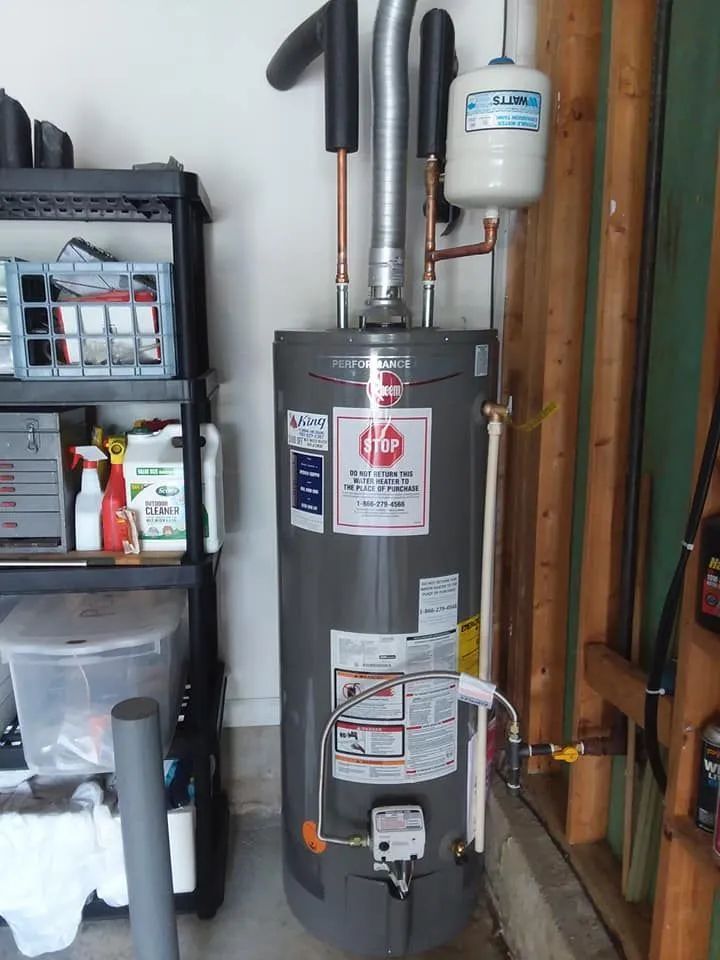
Pipes that aren’t insulated can freeze and burst in cold weather, leading to expensive damage. Insulating your pipes helps prevent freezing and reduces heat loss from your hot water pipes. It keeps your water hotter for longer and reduces the time you spend waiting for hot water. Insulation is easy to install and is a cost-effective way to protect your home from potential damage.
4. Watch What You Flush
Clogged toilets are a common plumbing problem, and they can be expensive to fix. To avoid clogs, only flush toilet paper and human waste. Flushing items like wipes, cotton balls, and sanitary products can cause blockages in your pipes. These materials don’t break down easily and can create serious clogs that require a plumber to fix. By being careful about what you flush, you can prevent blockages and avoid unnecessary plumbing expenses.
5. Schedule Professional Inspection
Professional maintenance can help keep your plumbing system in good shape. Cleaning out your drains, checking for leaks, and testing your water pressure are simple tasks that can prevent bigger problems later. Professionals can identify any potential issues before they become serious.
Lowering your plumbing costs is easier than you might think. Fixing leaks right away, upgrading to water-efficient fixtures, insulating your pipes, and being mindful of what you flush can all make a big difference. Regular maintenance also helps you avoid major problems and keeps your plumbing system running efficiently. By following these simple steps, you can save money and avoid the stress of unexpected plumbing bills.