
Tank or Tankless for a Coastal Home? How to Decide Based on Your Water, Your Space, and Your Household
Quick Answer: Neither type wins everywhere on the Carolina coast. A tankless water heater suits households with steady, moderate hot water use, a long ownership horizon, and a clean indoor spot for the unit, as long as the heat exchanger gets descaled on schedule. A tank water heater suits homes with heavy simultaneous demand, limited gas or electrical capacity, or owners who want simple, familiar maintenance. In Brunswick County, hard water and salt air matter as much as the unit itself. Whichever you choose, protecting it from mineral scale and corrosion decides how long it lasts.
You're standing in the utility closet with a tape measure, looking at a tank that has served the house for a decade. Maybe it's starting to rumble. Maybe it's leaving a rust ring on the floor pan. A neighbor swears tankless changed everything, and another one says theirs gave up after a few years and they'd never do it again.
Both of them are probably telling the truth. On this stretch of the coast, the same two water heaters can behave very differently depending on the water feeding them, the air around them, and the way your household actually uses hot water. Here is how we walk homeowners through the decision.
How Each Type Actually Delivers Hot Water
A Tank Stores Heat
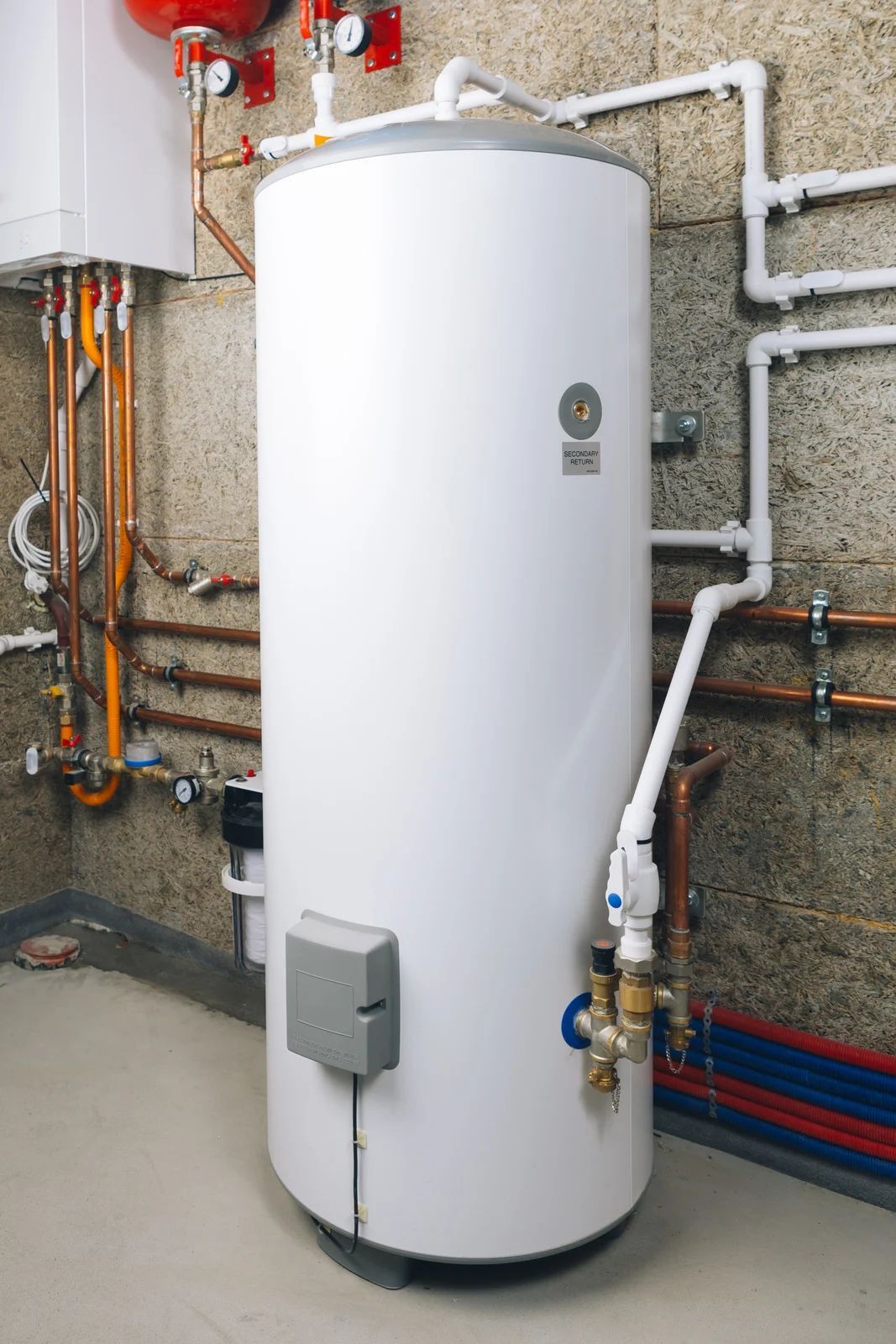
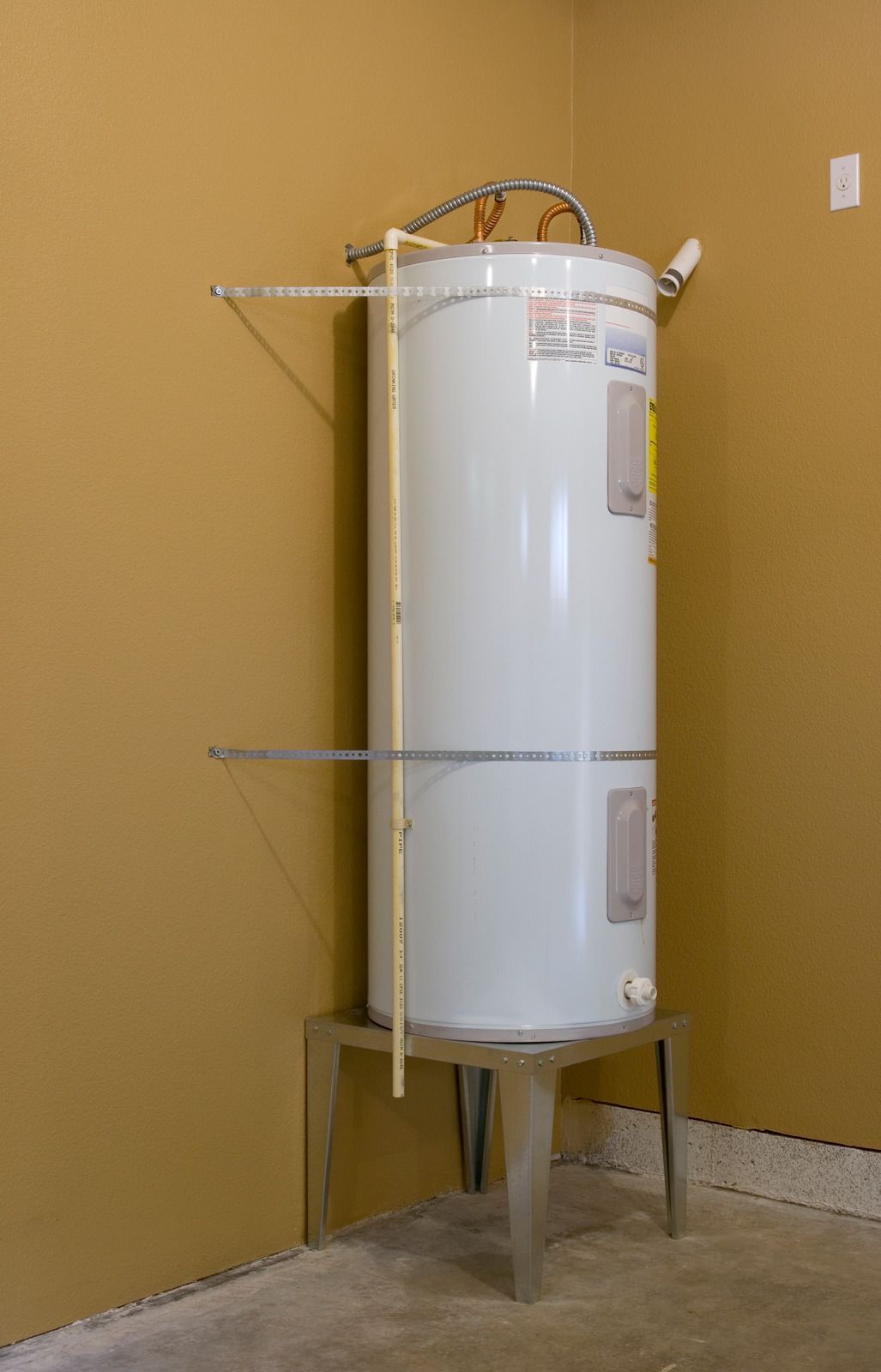
A storage water heater keeps thirty to eighty gallons hot continuously. Multiple fixtures can draw from this reserve, but once depleted, reheating takes time. Heat also escapes while water sits unused.
A Tankless Unit Makes Heat on Demand
A tankless heater activates when water flows, heating it through a heat exchanger. Hot water continues without a stored reserve, but simultaneous fixtures can exceed capacity and cause temperature fluctuations.
That one difference, stored heat versus instant heat, drives almost everything else in the comparison.
Hard Water Hits the Two Types in Different Places
Water across Shallotte, Supply, Bolivia, and the rest of Brunswick County carries dissolved calcium and magnesium picked up on its way through coastal plain sand and limestone layers. Heat pulls those minerals out of solution as scale, whether you are on a municipal line or a private well. Where the scale lands depends on the water heater.
In a Tank, Scale Settles on the Floor
Sediment accumulates beneath the burner or heating element, insulating water and causing rumbling noises. Periodic flushing removes buildup and helps maintain efficient heating.
In a Tankless Unit, Scale Coats the Heat Exchanger
Mineral buildup restricts narrow passages, reduces flow, and causes lukewarm water or error codes. Annual descaling and water softening help protect performance in hard water areas.
Tip: If you are leaning tankless in a hard water home, ask for a set of service valves on the unit during installation. They let a plumber connect hoses and descale the exchanger in under an hour without cutting into your plumbing each time.
If the sound of hard water scale on a tank is familiar, you already understand the problem. A tankless unit just moves the scale to a smaller, more sensitive part.
What Salt Air Does to Each Unit
Homes near the water, from Ocean Isle Beach and Sunset Beach to Holden Beach and Oak Island, live with salt in the air all year. It settles on exterior metal and speeds corrosion on tank shells, relief valve fittings, gas connections, vent hardware, and electrical terminations.
Tanks in Garages and Exterior Closets Take the Hit
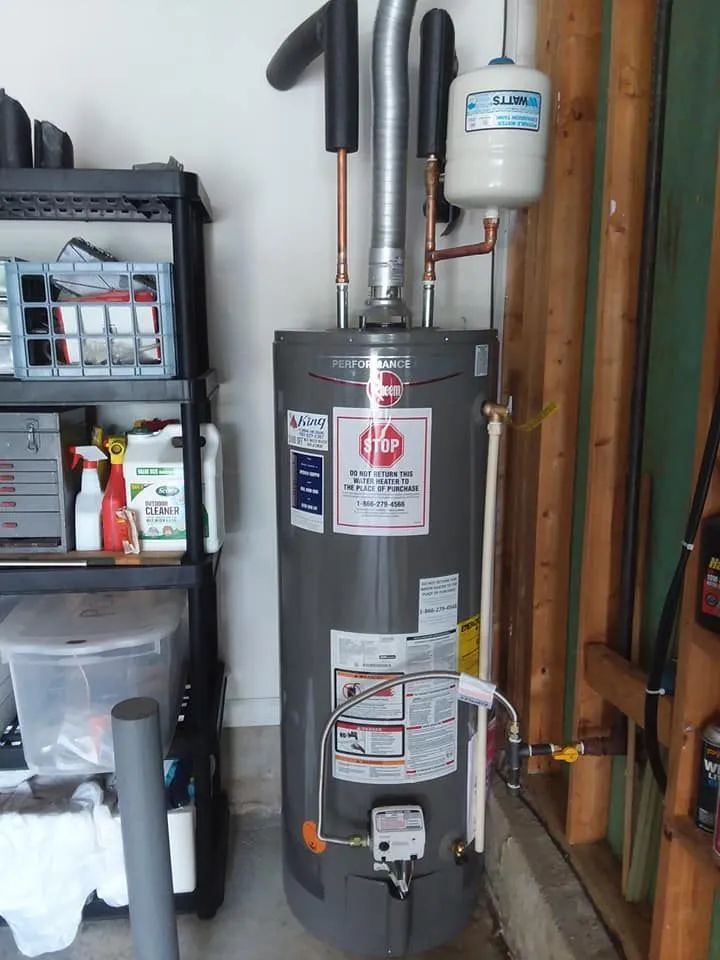
Coastal garages and exterior closets expose tanks to salt air, causing external rust and internal scaling. Aggressive water also wears down anode rods faster, potentially shortening tank lifespan without regular inspections.
Tankless Units Are Smaller Targets, but Placement Matters
Wall mounted tankless units inside conditioned spaces avoid most salt exposure. Exterior installations face corrosion on casings, fittings, and vents, making sheltered placement and coastal rated hardware important for durability.
Hot Water Demand: The Question Most People Skip
Before comparing models, count how your household really uses hot water.
Moderate and Steady Use Favors Tankless
Tankless heaters save energy by avoiding standby heat loss, making them efficient for smaller households using approximately forty gallons daily or less.
Heavy Simultaneous Use Can Favor a Tank
Large families running multiple hot water appliances simultaneously may benefit from a properly sized tank or larger tankless system with adequate gas supply.
Vacation and Seasonal Homes Are a Special Case
Tankless heaters avoid reheating stored water during long vacancies, making them practical for seasonal properties with intermittent hot water demand.
The Install Details That Decide More Than You Expect
The comparison on paper ignores the house. These are the questions we check on site.
Gas Line Capacity
Gas tankless heaters demand substantial fuel. Existing gas lines may require enlargement to deliver the manufacturer's rated performance.
Electrical Capacity
Electric tankless heaters draw significant amperage. Some homes require panel upgrades or dedicated circuits, unlike conventional tanks.
Venting
Gas tankless units require specific venting. Exit placement near windows, soffits, and salt spray affects safety and durability.
Space and Layout
Tankless heaters save floor space and mount on walls. However, relocating the unit may increase hot water delivery times.
Flood and Storm Exposure
In flood-prone areas, mounting tankless units higher protects controls and gas valves from standing water during storms.
Warning: A tankless unit that is too small for the house is the most common reason people regret switching. If you see temperature swings when two fixtures run at once, or the unit shuts off mid shower, it is usually a sizing or supply problem, not a defective heater. Have the flow rate and gas supply measured before anyone replaces the unit a second time.
Lifespan and Maintenance in the Real World
The published numbers are a useful starting point. A storage tank typically lasts around eight to twelve years, and a tankless unit commonly runs fifteen to twenty years or more when it is maintained. Coastal conditions pull both numbers down if the unit is ignored and push them toward the high end when it is looked after.
Tank Maintenance
Flush the tank annually, inspect the anode rod every few years, and check the relief valve. Skipping maintenance accelerates wear, especially in hard water homes.
Tankless Maintenance
Descale annually, inspect the intake filter, and check vent termination for salt buildup. Neglecting maintenance allows damaging scale to accumulate inside the heat exchanger.
Whichever route you take, softening or filtering the water before it reaches the heater is the single best way to protect it. Scale you never form is scale you never have to remove.
A Simple Way to Decide
Here is how we boil it down when a homeowner asks which way to go.
Choose Tankless
Choose tankless for moderate hot water use, long-term ownership, sheltered installation, and willingness to schedule annual descaling.
Choose a Tank
Choose a tank for heavy simultaneous demand, limited utility capacity, simpler maintenance, and greater tolerance for missed servicing.
Consider the Middle Path
Pair a tank with a softener, or confirm gas capacity, venting, and flow before choosing tankless.
Frequently Asked Questions
Does a tankless water heater really give unlimited hot water?
It gives continuous hot water, but not unlimited flow. The unit can only heat a set number of gallons per minute, so a single long shower is fine while three fixtures at once may exceed its rating. Sizing the unit to your peak demand is what makes it feel endless.
Will hard water ruin a tankless water heater?
It will shorten the life of a neglected one. Scale builds on the heat exchanger and restricts flow, which causes error codes and lukewarm water. Yearly descaling and water treatment upstream keep a tankless unit running well in hard water.
Does salt air damage tankless units as well as tanks?
Yes, if they are mounted outdoors or in an open garage. Salt corrodes casings, fittings, and vent hardware on either type. A unit in conditioned indoor space avoids most of the exposure.
Can I switch from a tank to tankless without changing my gas line?
Sometimes, but often not. Gas tankless units draw a large volume of fuel, and the existing line may be sized for a tank. A plumber should measure the supply before you commit.
Is a tankless unit a good choice for a beach rental or second home?
Often, yes. There is no stored water reheating in an empty house, and light, irregular use matches on demand heating well. Heavy turnover weeks with many guests do call for careful sizing.
How do I know if my current tank is ready to be replaced?
Rumbling, rust colored hot water, moisture around the base, and age past ten years are the usual signs. A leak from the tank body itself means replacement, while a failing part on a younger tank can often be repaired.
Matching the Water Heater to Your Coastal Home
The right water heater for a coastal home is the one matched to your water, your air, your space, and the way your family lives. Tank and tankless are both sound choices on the Carolina coast, and the ones that disappoint are usually picked from a showroom comparison without a look at the house. Counting your peak hot water moments, noting where the unit sits, and measuring gas or electrical supply give you a far clearer answer than any chart.
Hard water and salt air will shape how long either unit lasts, so a plan for scale and corrosion belongs in the decision from the start. King Plumbing and Drains, LLC
has spent 27
years serving homeowners across Shallotte and Brunswick County, NC, and that time has shown that careful sizing, water treatment, and a sheltered location matter as much as the model on the box. A short evaluation up front keeps the choice from turning into a second replacement later.