
Hot Water Running Out Faster Than It Used To? What's Happening in the Tank
Quick Answer: When hot water runs out faster than it used to, something inside the tank has usually changed. The four usual causes are sediment collecting on the bottom and stealing usable capacity, a cracked dip tube letting cold water short-circuit straight to the top, a worn lower heating element or weak burner, and a thermostat that has drifted low. Homes on harder water and older tanks reach this point sooner. The way the shower goes cold — gradually over months versus suddenly last week, lukewarm the whole time versus hot then abruptly cold — usually points to which one you are dealing with.
You used to get two showers and the dishwasher out of a single tank without a second thought. Now the water turns tepid halfway through the first shower, and whoever goes second is rinsing off in a hurry. Nothing about your routine changed, so it feels like the water heater quietly shrank overnight.
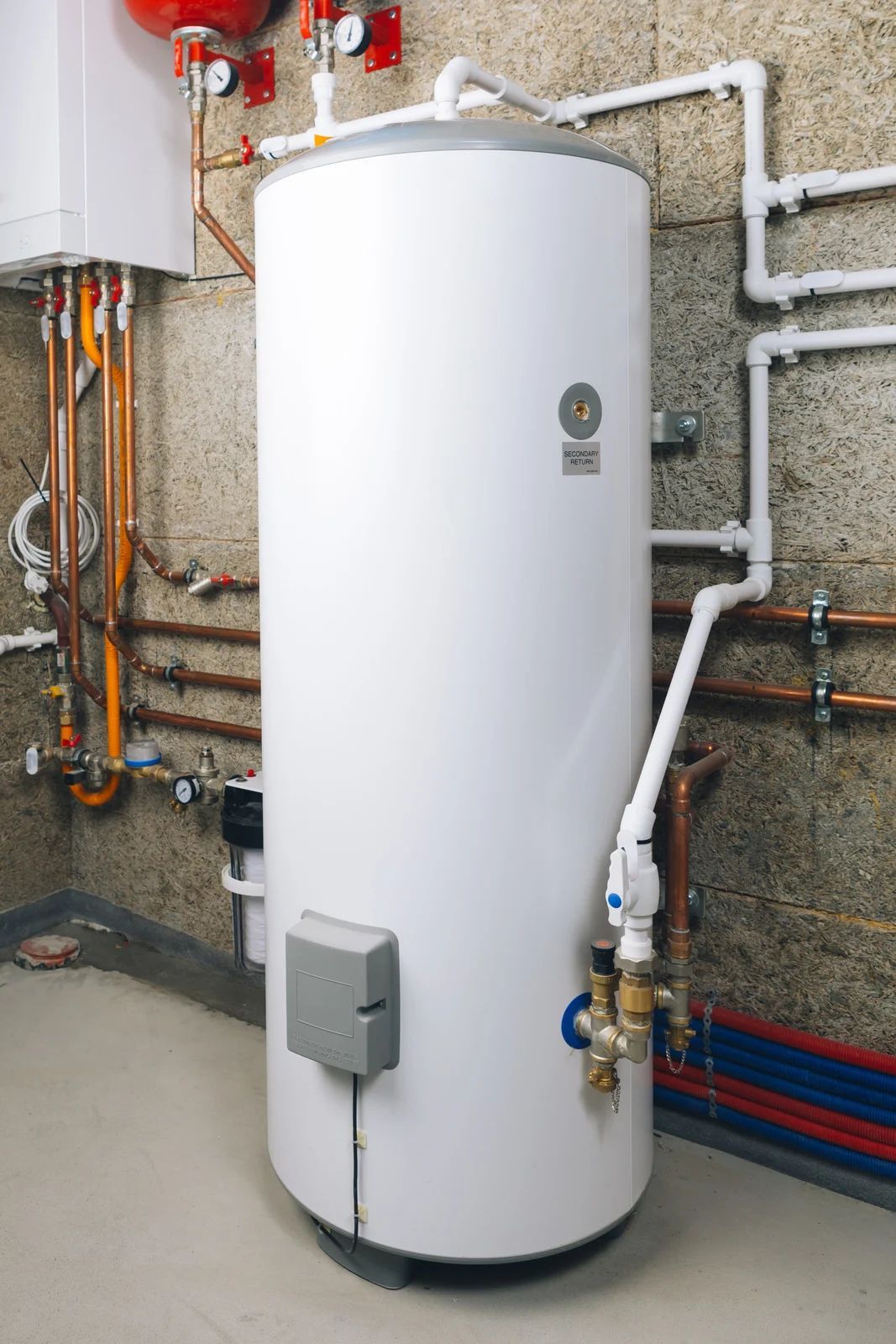
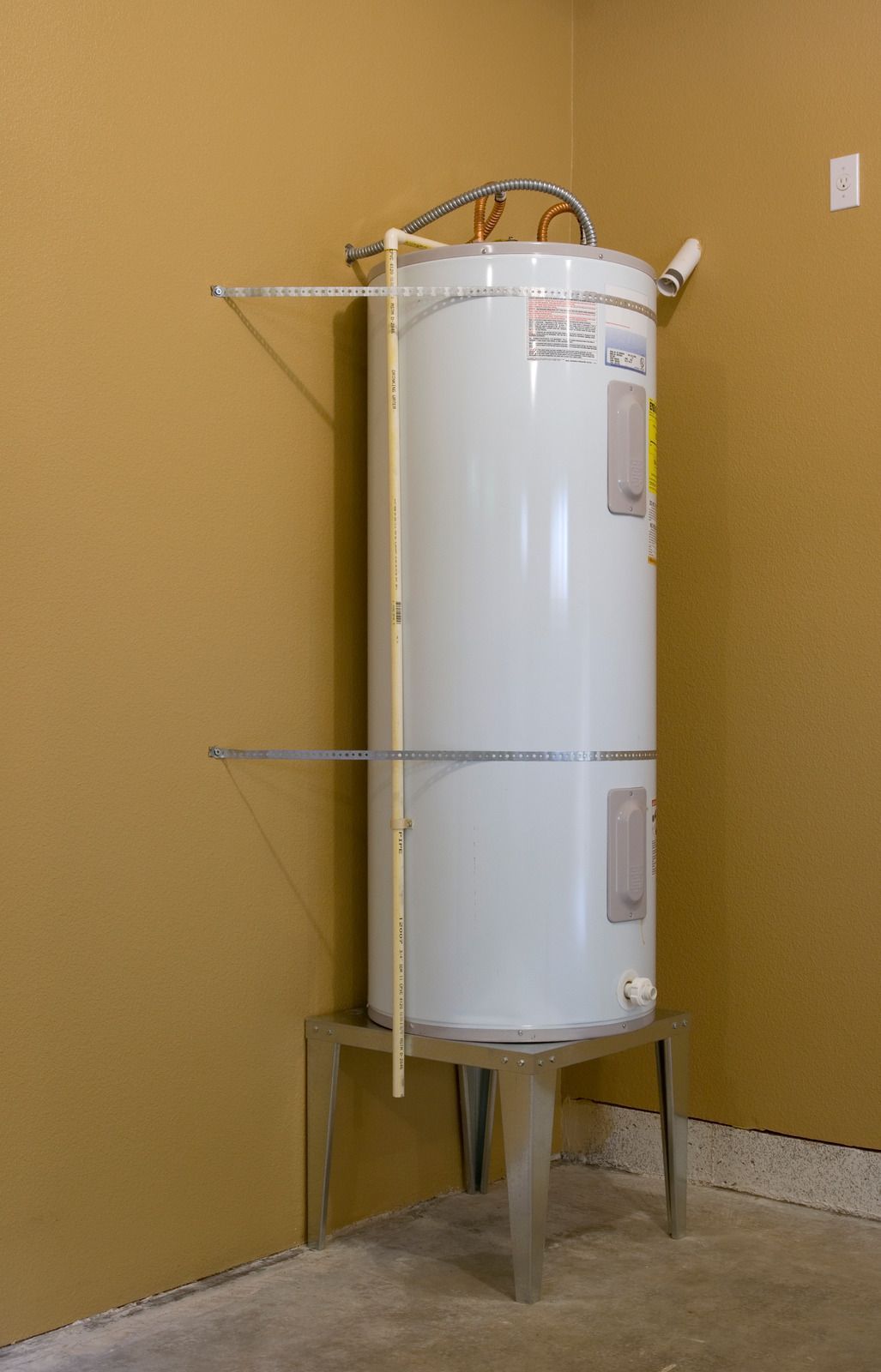
In a way, it did. A storage
water heater holds a fixed amount of hot water and reheats the rest at a set pace. When either of those two things slips, you feel it as hot water running out faster than it used to. The good news is that the tank leaves clues, and the pattern of how it fails narrows the cause down before anyone opens a panel. Here is what changes on the inside, why homes here tend to hit it sooner, and how to read the symptoms.
Sediment Buildup Is the Most Common Reason
If the decline has been slow and steady, start here. Sediment is the leading reason an aging tank quietly loses its stamina.
Lost capacity at the bottom
As minerals settle inside a water heater, they form a sediment layer that takes up space once filled with hot water. The tank appears unchanged from outside, but its usable capacity gradually decreases, reducing available hot water for daily use.
A blanket over the burner
In gas water heaters, sediment forms an insulating layer between the burner and the water. This slows heat transfer, forcing the unit to run longer, delaying recovery times, increasing energy use, and reducing the amount of hot water available.
The sounds that give it away
Rumbling, popping, or crackling noises often indicate sediment buildup inside the tank. Water trapped beneath hardened minerals creates steam as it heats. Regular flushing removes the buildup, restores performance, and helps prevent future capacity and efficiency problems.
A Cracked or Broken Dip Tube
If the change was sudden rather than slow, the dip tube moves to the top of the list.
Cold water taking a shortcut
That dip tube is plastic, and after years of hot water and mineral exposure it can crack, split, or crumble. When it fails, incoming cold no longer travels down to the bottom. It dumps in near the top and mixes straight into the hot water your outlet draws from. The tank can be completely full and still hand you lukewarm water, because every gallon out is part hot, part fresh cold.
How it feels different from sediment
Sediment gives you less hot water that is still hot until it is gone. A failed dip tube gives you a tank that never really gets hot in the first place — warm at best, and it fades fast. The drop also tends to arrive abruptly, over a few days rather than a few years.
A telltale sign at the faucet
As a dip tube disintegrates, little white or grayish plastic flecks break loose and travel through the lines. Homeowners find them clogging faucet aerators and showerhead screens. Dip tubes generally last somewhere between six and ten years, so an aging tank that suddenly can't hold temperature, paired with bits of plastic in the aerators, points squarely at this.
A Worn Heating Element or Weak Burner
The heat source itself can fade, and it produces the same shortened-supply complaint.
On an electric tank, do the math on two elements
Electric heaters use two elements, one low in the tank and one up high. The lower one does most of the work of heating the full volume. When it burns out, only the upper element keeps going, and it can only heat the water in the top portion of the tank. On a fifty-gallon unit, that can leave you with twenty gallons of usable hot water or less — you get a short burst of hot, then a fast fall to cold while the tank still feels full.
On a gas tank, watch for a weak flame
A gas burner rarely quits all at once. More often it weakens — a partially clogged burner, a dirty flame sensor, or a gas supply issue lowers its output. The tank still makes hot water, just less of it and more slowly, which reads as a supply that runs out ahead of schedule.
Tip: Before anyone opens the tank, pin down the pattern and it will guide the whole diagnosis. Ask two questions. Did the drop come on gradually over months or suddenly over days? And is the water hot until it runs out, or lukewarm the entire shower? Gradual and still-hot points toward sediment; sudden and lukewarm points toward the dip tube; a short hot burst that dies fast points toward a heating element. Sharing those two answers up front helps a plumber head straight for the real cause.
The Simple Things Worth Ruling Out First
Not every case is a failed part. A couple of no-cost checks are worth making before assuming the worst.
A thermostat that quietly drifted
Water heaters are generally set around 120 degrees for a sensible balance of comfort and safety. If the dial got bumped, or the thermostat has drifted over the years, the tank is making water that is merely warm. You then blend in less cold at the shower to reach a comfortable temperature, so you burn through the tank faster and it feels like the supply shrank. Confirming the setting takes a minute and costs nothing.
Demand that outgrew the tank
Sometimes the heater is fine and life simply got busier. A tank sized for two people is stretched thin once the household grows, a teenager starts taking long showers, or a rain-head fixture goes in. A rough rule is ten to fifteen gallons of hot-water capacity per person for comfortable daily use. If your draws stack up — back-to-back showers, dishwasher, and laundry in the same window — the tank may just be undersized for how you live now rather than broken.
Warning: Do not try to fix a shrinking supply by cranking the thermostat well past its normal setting. Turning it up makes the water leaving the tank hot enough to scald in seconds, which is a real danger for children and older adults, and it does nothing to address sediment, a bad dip tube, or a failing element. It masks the symptom while raising the risk. If a normal setting no longer gives you enough hot water, the answer is to find what changed inside the tank, not to override it.
Frequently Asked Questions
How long should a full tank of hot water actually last?
A well-maintained 40- to 50-gallon water heater typically provides about 30 to 60 minutes of continuous hot water, depending on usage. If the supply drops noticeably, sediment buildup or a failing internal component is often responsible.
Can sediment really cut how much hot water I get?
Yes. Sediment occupies valuable tank space and reduces heating efficiency by insulating the heat source. This lowers available hot water, slows recovery between uses, and leaves your household waiting longer for the tank to reheat.
My hot water went from fine to lukewarm almost overnight. What does that suggest?
A sudden change often points to a failed dip tube, allowing cold water to mix with hot water inside the tank. White plastic fragments in faucet aerators are a common sign of this problem.
Why does this seem to happen faster to homes around here?
Hard water common in the area leaves behind more mineral deposits as water heats. Sediment accumulates faster, reducing efficiency and hot water capacity, making regular flushing more important than many homeowners realize.
Is a tank that runs out fast dangerous, or just annoying?
Usually it is an inconvenience, but the underlying cause can become serious. Heavy sediment may overheat the tank, reduce efficiency, and shorten its lifespan. Addressing the issue early often prevents expensive repairs or replacement.
Would going to a tankless unit solve this for good?
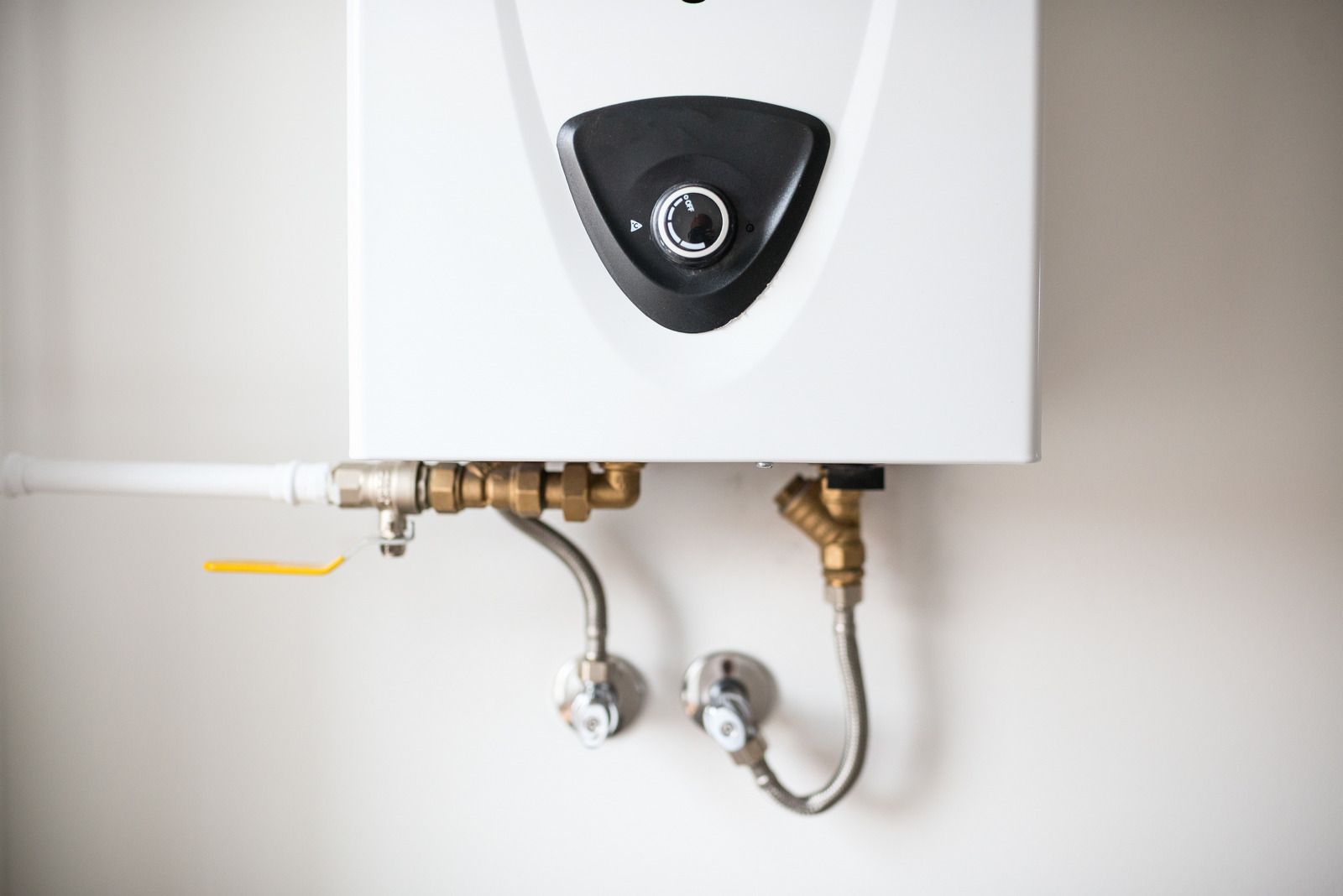
A tankless water heater provides hot water on demand, eliminating stored supply limits. However, proper sizing and regular descaling in hard-water areas remain essential to ensure reliable performance and long-term efficiency.
When It's Time to Look Inside the Tank
Hot water that runs out faster than it used to is a symptom with a short list of suspects, and the tank usually tells you which one before anyone touches it. A slow, season-by-season decline with popping sounds points at sediment. A sudden slide to lukewarm water with plastic flecks at the aerators points at the dip tube. A short blast of hot that dies fast points at a heating element. And a thermostat or a household that simply grew explains a fair share of the rest. Reading the pattern first keeps you from throwing a fix at the wrong problem.
Get the real cause found instead of guessing — Short showers and cold rinses trace back to a specific change inside your tank, and the fix for sediment, a cracked dip tube, a worn element, or a drifted thermostat is different in each case. The team at King Plumbing and Drains, LLC
reads the symptoms, flushes or tests the tank, and pinpoints what changed rather than swapping parts blindly. With 27
years of experience serving Shallotte and Brunswick County, North Carolina, the licensed NC Master Plumber delivers accurate diagnostics and lasting solutions. Reach out to schedule a water heater check and get a full tank of hot water back where it belongs.