
Signs Your Home Needs Plumbing Repairs Before It Gets Worse
Plumbing is one of the most critical systems in any home, yet it often goes unnoticed until a serious problem arises. Ignoring minor issues like a dripping faucet or a slow drain can lead to significant damage over time, resulting in costly repairs and extensive property damage. Understanding the early warning signs of plumbing issues allows homeowners to act proactively, preventing small inconveniences from escalating into major emergencies. Regular inspection and timely intervention not only save money but also extend the lifespan of plumbing fixtures and pipes. By identifying these indicators early, maintenance becomes more manageable, less expensive, and less disruptive to daily life, ensuring that the home continues to function smoothly.
Beyond cost considerations, timely plumbing repairs contribute to a healthier living environment. Leaks and water damage can foster mold growth, compromise structural integrity, and even affect indoor air quality. Plumbing problems can also impact energy efficiency, causing water heaters and appliances to work harder than necessary. Recognizing when plumbing systems are under stress not only preserves the value of a home but also ensures safety and comfort for everyone living in it. This guide explores the most common signs that indicate
plumbing repairs are needed, providing practical advice for homeowners to address issues before they worsen. By the end, readers will have a clear understanding of what to look for and the steps to take to maintain a safe, efficient, and reliable plumbing system.
1. Persistent Leaks and Drips
Slow Dripping Faucets
A faucet that constantly drips may seem minor, but over time, it can waste hundreds of gallons of water annually and increase utility bills significantly. Persistent drips often indicate worn-out washers, deteriorated seals, or corrosion in pipes. Left untreated, these small leaks can lead to water damage under sinks, staining, or even rot in wooden cabinets.
Actionable Insight: Inspect faucet handles and spouts for irregular water flow. Replacing washers or O-rings promptly prevents minor leaks from escalating into pipe corrosion or structural damage.
Leaky Pipes Behind Walls or Under Floors
Hidden leaks are more dangerous as they are not immediately visible. Signs include damp spots on walls, ceilings, or floors, musty odors, and unexplained water pooling in basements or crawlspaces. These leaks can compromise the home’s foundation or promote mold growth, creating both safety and health concerns.
Best Practice: Regularly check areas prone to moisture accumulation, such as behind toilets, under sinks, and around water heaters. Installing moisture sensors or leak detection devices can provide early alerts for hidden issues.
2. Drainage Issues
Slow or Clogged Drains
Slow-draining sinks, bathtubs, and showers often indicate buildup from hair, soap, grease, or debris. If left unresolved, clogs can worsen, causing backups that may reach multiple fixtures or even damage sewer lines. Persistent slow drainage can also signal more significant problems like pipe misalignment or corrosion.
Expert Tip: Avoid using chemical drain cleaners frequently, as they can erode pipes. Instead, opt for mechanical cleaning tools such as plungers, drain snakes, or professional hydro-jetting services when needed.
Gurgling Sounds
Strange noises from drains, such as gurgling or bubbling, often point to trapped air or partial blockages in the plumbing system. These sounds indicate that wastewater is struggling to flow efficiently, potentially leading to backups or sewage exposure.
Example: A kitchen sink gurgling when the washing machine drains often signals a blockage in the main line, which requires professional assessment to prevent more severe disruptions.
3. Water Pressure Fluctuations
Low Water Pressure
Experiencing weak water flow from faucets and showers can result from sediment buildup, pipe corrosion, or leaks in the system. Low water pressure reduces the efficiency of appliances, makes showering uncomfortable, and can indicate underlying pipe damage.
Actionable Insight: Test water pressure at multiple points in the home. If certain fixtures are affected while others are not, localized repairs may be sufficient. Whole-house pressure issues usually require a professional inspection to assess pipe condition or the water supply system.
Sudden Pressure Surges
Unexpected surges in water pressure can strain pipes, joints, and appliances, increasing the likelihood of leaks or bursts. Pressure fluctuations may be caused by failing pressure regulators or changes in municipal water supply.
Best Practice:
Install a pressure gauge to monitor water pressure over time. Maintaining consistent pressure reduces stress on the plumbing system and prolongs its lifespan.
4. Water Quality Problems
Discolored Water
Water that appears yellow, brown, or cloudy is often a sign of rust, sediment, or pipe corrosion. Older homes with galvanized steel pipes are particularly susceptible to rust buildup, which can affect water taste, stain fixtures, and pose health concerns.
Expert Tip: Run water from multiple taps to identify whether discoloration is localized or affects the entire home. Flushing the system or replacing aging pipes can restore water clarity and safety.
Unpleasant Odors or Taste
Strange odors, such as a rotten egg smell, can indicate bacterial growth in drains or issues with the sewer line. Metallic or chemical tastes may suggest pipe corrosion or water contamination, requiring immediate attention.
Actionable Insight: Conduct water testing for contaminants and schedule professional plumbing inspections to ensure water safety. Ignoring these warning signs can lead to long-term health risks for occupants.
5. Signs Around Fixtures
Running Toilets
A toilet that continuously runs after flushing wastes water and can increase utility bills dramatically. Common causes include worn flappers, faulty fill valves, or misaligned components in the tank.
Example: Even a slow-running toilet can waste over 200 gallons of water per week. Replacing small parts promptly can resolve the issue and prevent potential leaks onto bathroom floors.
Loose or Damaged Fixtures
Fixtures that wobble, squeak, or move unexpectedly may indicate loose connections, compromised anchors, or degraded sealing. Over time, this can lead to leaks, water damage, or structural deterioration around sinks, tubs, or toilets.
Best Practice:
Periodically check fixture stability and tighten mounting hardware as needed. Prompt repair of minor movement prevents more extensive damage and ensures safe, functional plumbing.
6. Unusual Sounds or Smells from Plumbing
Noisy Pipes
Pipes that bang, whistle, or vibrate when water flows may have air trapped in the system, loose supports, or high water pressure. This not only creates disruptive noise but can also stress pipe joints and fittings, leading to leaks over time.
Actionable Insight: Secure loose pipes with clamps or brackets, and monitor for persistent noises. Professional evaluation may be necessary if unusual sounds continue despite basic adjustments.
Sewer or Drain Odors
Persistent foul smells from drains or toilets often indicate blockages, venting issues, or sewer line problems. Odors are not just unpleasant; they can be a sign of bacteria or gas buildup, which may affect indoor air quality and safety.
Expert Tip:
Maintain clean P-traps in sinks and showers and ensure proper venting in the plumbing system. Professional inspection may be required for deeper sewer line concerns.
7. High Water Bills Without Increased Usage
Unexpected spikes in water bills often point to hidden leaks, running toilets, or malfunctioning appliances. If usage patterns remain consistent but bills rise, it is a strong indicator of plumbing issues requiring immediate attention.
Example: A leak behind a wall may go unnoticed for weeks, but the water meter can detect unusual consumption. Monitoring water usage regularly helps catch problems before they cause severe damage.
Best Practice: Compare current bills to historical averages and investigate discrepancies. Early detection allows for repairs before water damage, mold growth, or foundation issues occur.
8. Seasonal or Weather-Related Plumbing Problems
Frozen or Burst Pipes
During cold weather, uninsulated or exposed pipes are vulnerable to freezing and bursting. Signs of potential problems include frost on pipes, unusual dripping, or partial blockages caused by ice expansion.
Actionable Insight: Insulate exposed pipes, maintain consistent indoor temperatures, and allow faucets to drip slightly during freezing conditions. Early prevention can save thousands in repair costs.
Water Heater Issues
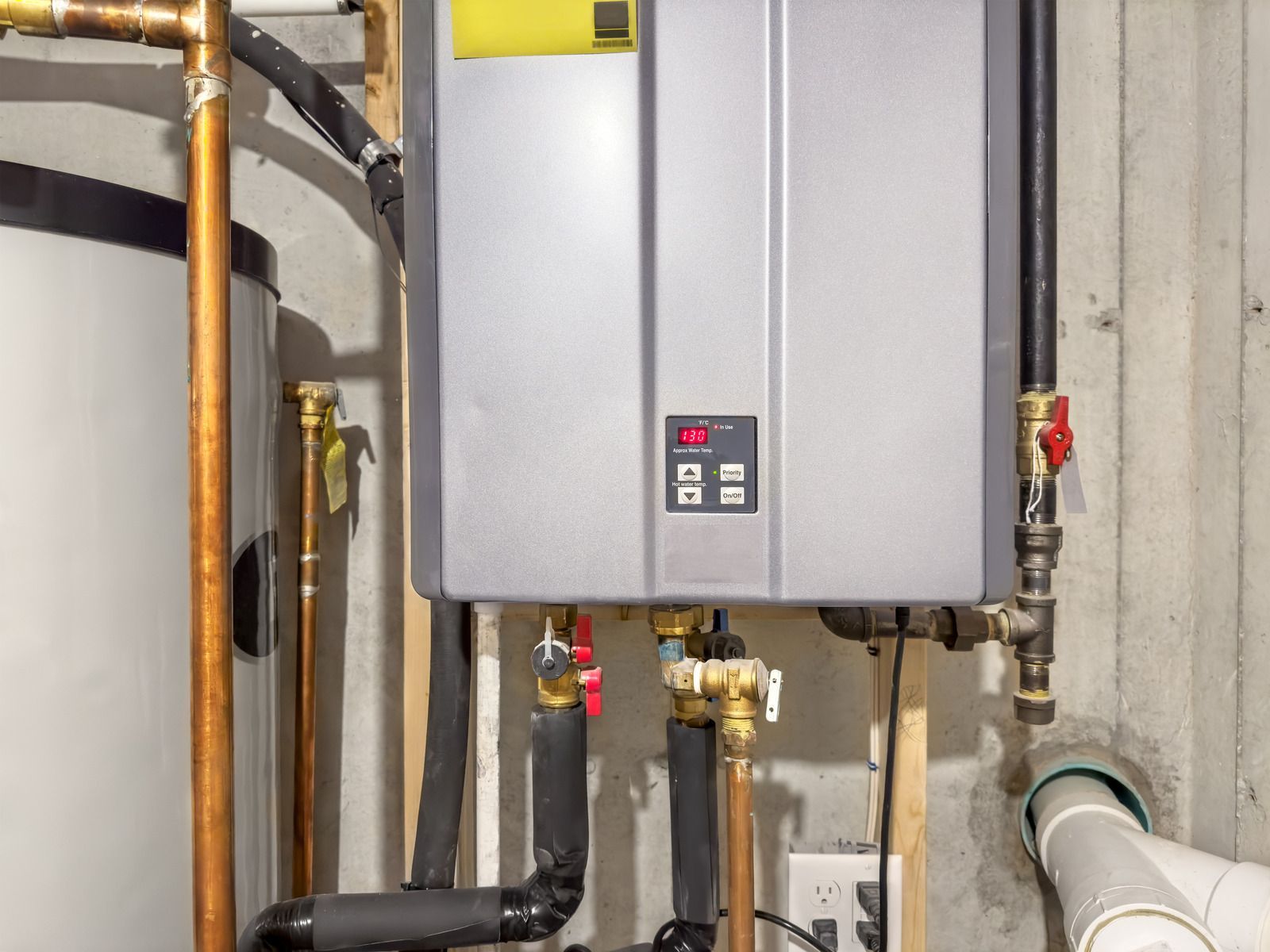
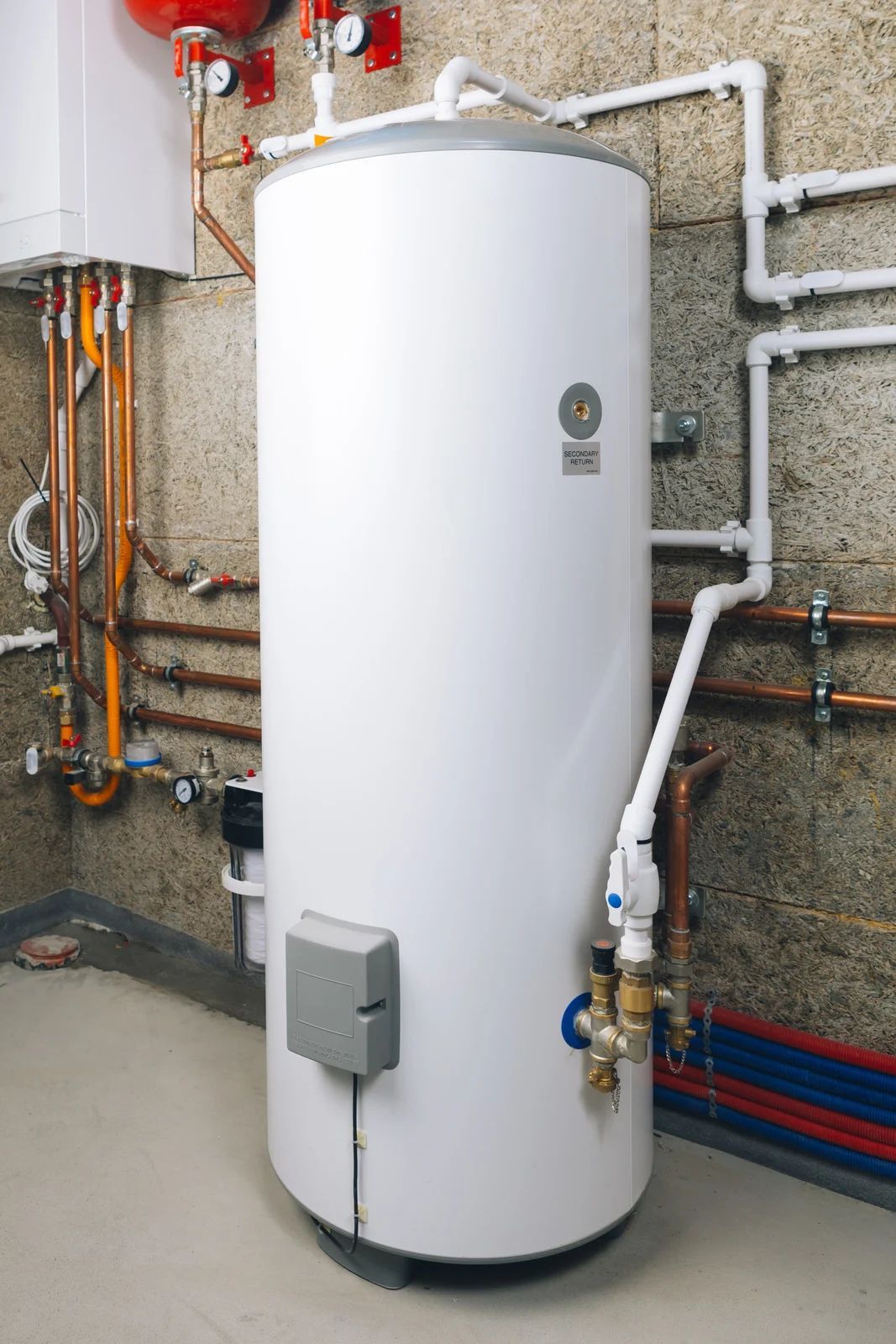
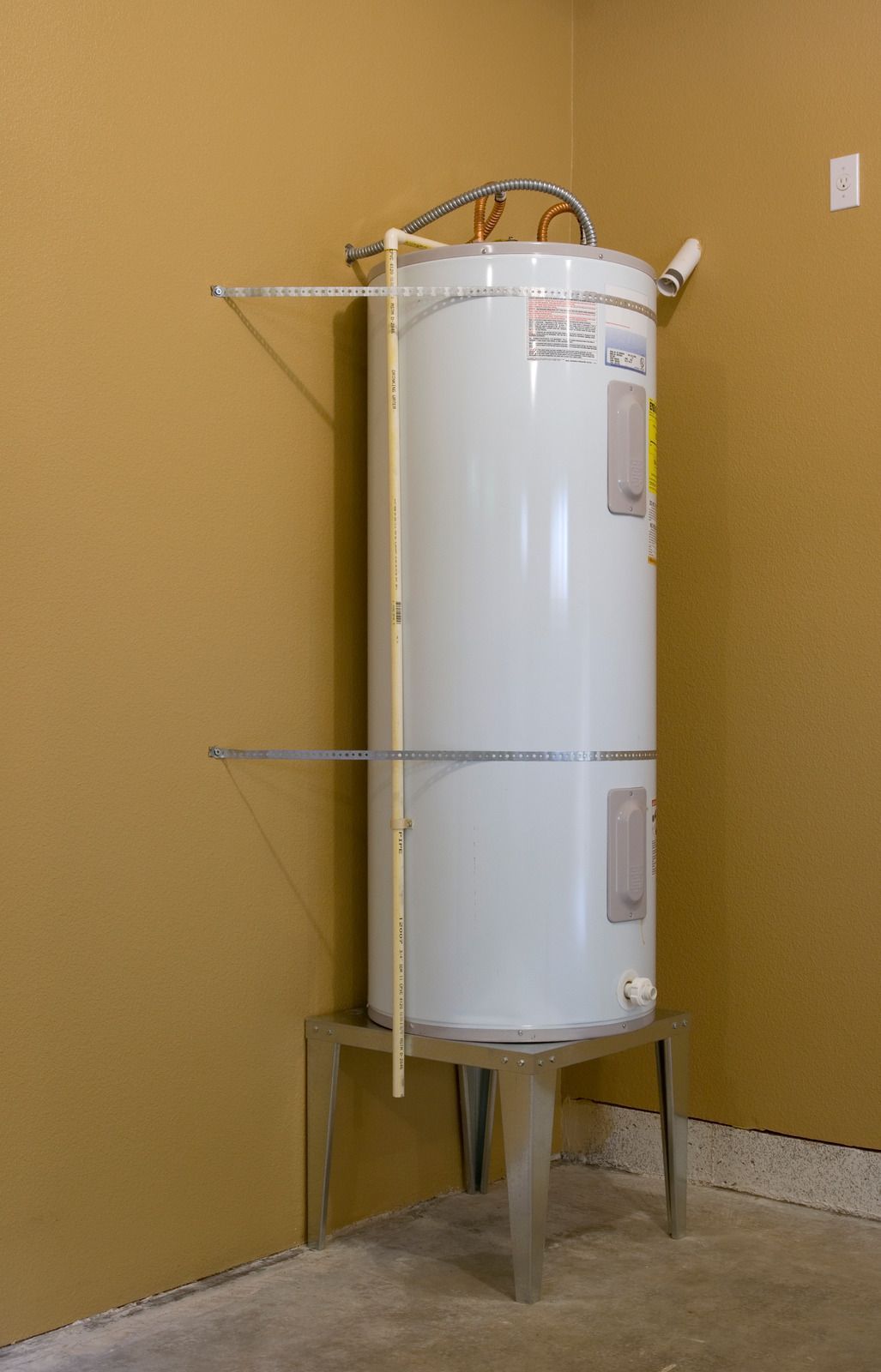
Water heaters can develop leaks, sediment buildup, or failing heating elements over time. Signs include fluctuating water temperatures, strange noises from the tank, or water pooling around the base.
Expert Tip: Schedule regular maintenance for water heaters, flush tanks annually, and replace aging units before they fail completely to ensure uninterrupted hot water supply.
Trusted Plumbing Services Ensuring Long-Lasting Reliability
Recognizing the early warning signs of plumbing issues is critical to preventing minor problems from escalating into major repairs. Persistent leaks, slow drains, water pressure fluctuations, discolored water, and unusual sounds or odors all serve as indicators that plumbing systems require attention. By acting promptly, homeowners can minimize water damage, reduce utility costs, and maintain a safe and comfortable living environment. Regular monitoring, preventive maintenance, and timely repairs are essential to preserving the integrity of a home’s plumbing infrastructure.
At King Plumbing and Drains, LLC, we bring 27
years of hands-on experience serving homeowners in Shallotte and Brunswick County, North Carolina. Our expertise ensures thorough inspection, accurate diagnosis, and reliable repairs for all types of plumbing challenges. Committed to safety, efficiency, and customer satisfaction, we provide actionable solutions that protect homes and prevent future issues. Trust in our knowledge, proven methods, and professional approach to maintain a dependable plumbing system for years to come.