
How to Choose the Right Residential Plumber for Your Home Repair or Upgrade
Finding the right residential plumber for your home repair or upgrade is more than just hiring someone with a wrench. Plumbing issues, whether minor leaks, clogged drains, or major system overhauls, can have long-term consequences if handled incorrectly. Choosing a qualified professional ensures not only the functionality of your plumbing but also the safety, efficiency, and longevity of your home’s water systems. From outdated pipes to high-tech water heaters and smart plumbing systems, every homeowner faces decisions that require trusted expertise. The right plumber can also provide advice on maintenance, energy efficiency, and preventing future problems, saving homeowners both money and stress over time. Selecting the right plumber is a proactive step to prevent costly damage, reduce downtime, and ensure your home operates smoothly for years to come.
In today’s market, homeowners often face an overwhelming array of options—from large plumbing companies to independent contractors and specialized service providers. The challenge lies in distinguishing reliable, experienced professionals from less qualified service providers who may lack proper licensing or up-to-date knowledge. Understanding the essential factors, such as credentials, experience, specialization, and customer feedback, can save both time and money while ensuring high-quality results. This guide provides a comprehensive approach to choosing the best residential plumber, equipping you with practical insights, actionable strategies, and evaluation tips. Whether you are addressing an emergency repair, planning a bathroom renovation, or upgrading your home’s plumbing system, the right professional can make all the difference in achieving a safe, efficient, and lasting solution that meets both your budget and your expectations.
Assessing Credentials and Licensing
Why Credentials Matter
When hiring a residential plumber, credentials and proper licensing are critical indicators of both competence and professionalism in the field. A licensed plumber has completed formal training, apprenticeships, and examinations that ensure technical knowledge and strict adherence to local plumbing codes. This guarantees that the work performed meets safety standards, regulatory requirements, and long-term reliability for your home’s plumbing system. Unlicensed work can lead to violations, substandard repairs, unnecessary delays, and even legal complications, especially when insurance or warranties are involved.
Checking Insurance Coverage
Insurance is equally important when selecting a plumber to protect yourself from potential risks. Homeowners should confirm that a plumber carries both liability insurance and workers’ compensation coverage. Liability coverage protects you if property damage occurs during the repair, while workers’ compensation ensures that any on-site injuries are covered without liability falling on the homeowner. Requesting proof of insurance is a standard and professional practice, and a trustworthy plumber will willingly provide full documentation without hesitation.
Real-World Scenario
Consider a homeowner in an older property who hires an unlicensed plumber to replace severely corroded pipes. Without proper credentials, the plumber installs incorrect materials, causing leaks, water damage, and unnecessary structural issues. The homeowner then faces additional repair costs, insurance complications, and significant stress from delays. Hiring a licensed professional from the beginning would have prevented these expensive and stressful scenarios entirely.
Evaluating Experience and Specialization
Understanding Plumbing Experience
Experience is often the defining factor between a competent plumber and a truly master technician in residential plumbing. Home plumbing systems vary greatly—from traditional copper pipes to modern PEX installations and complex water filtration systems. An experienced plumber is familiar with a wide range of materials, systems, troubleshooting techniques, and repair methods. Additionally, years in the industry often correlate with a portfolio of successful projects, satisfied clients, and proven problem-solving abilities.
Specialization Matters
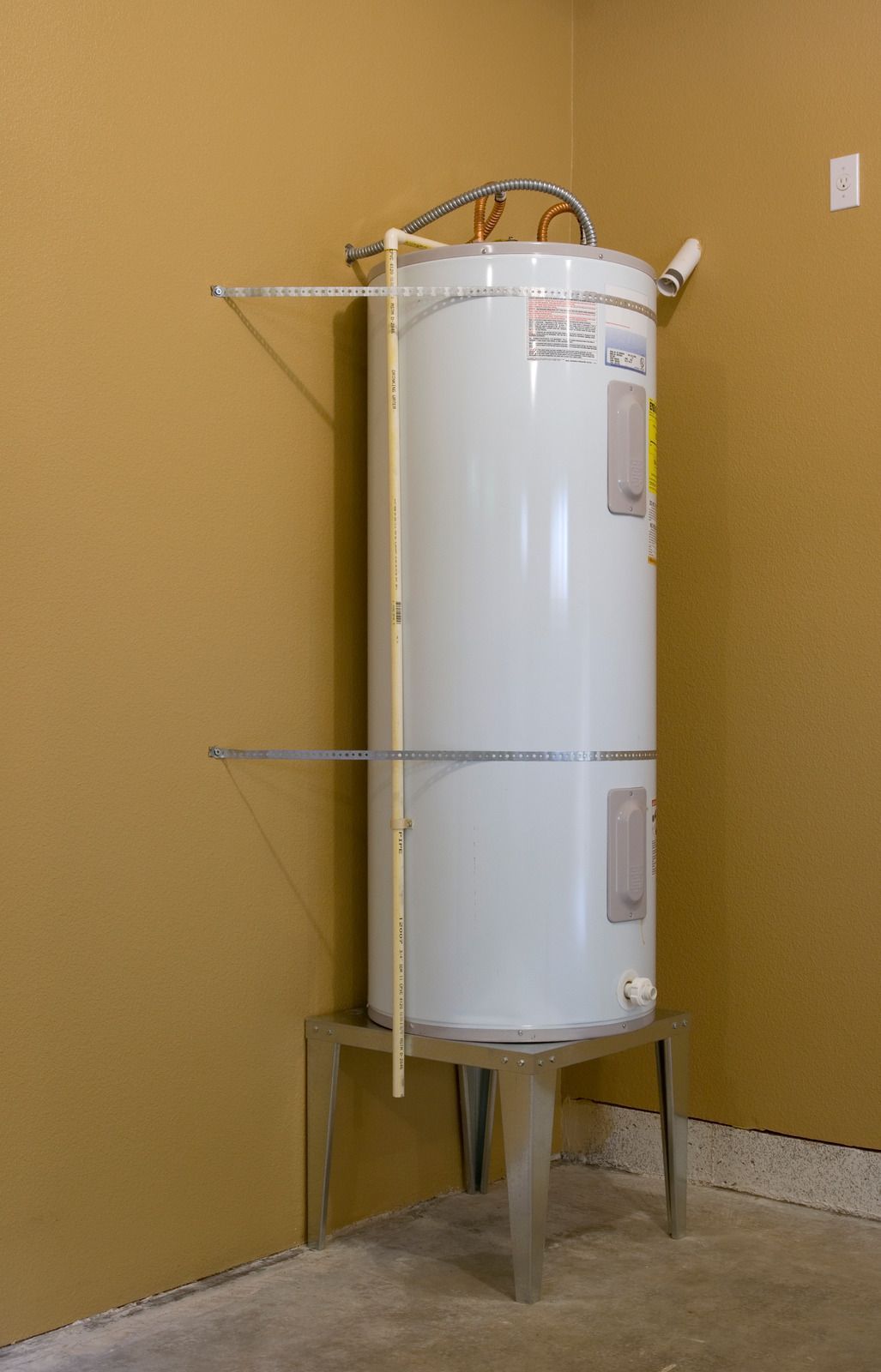
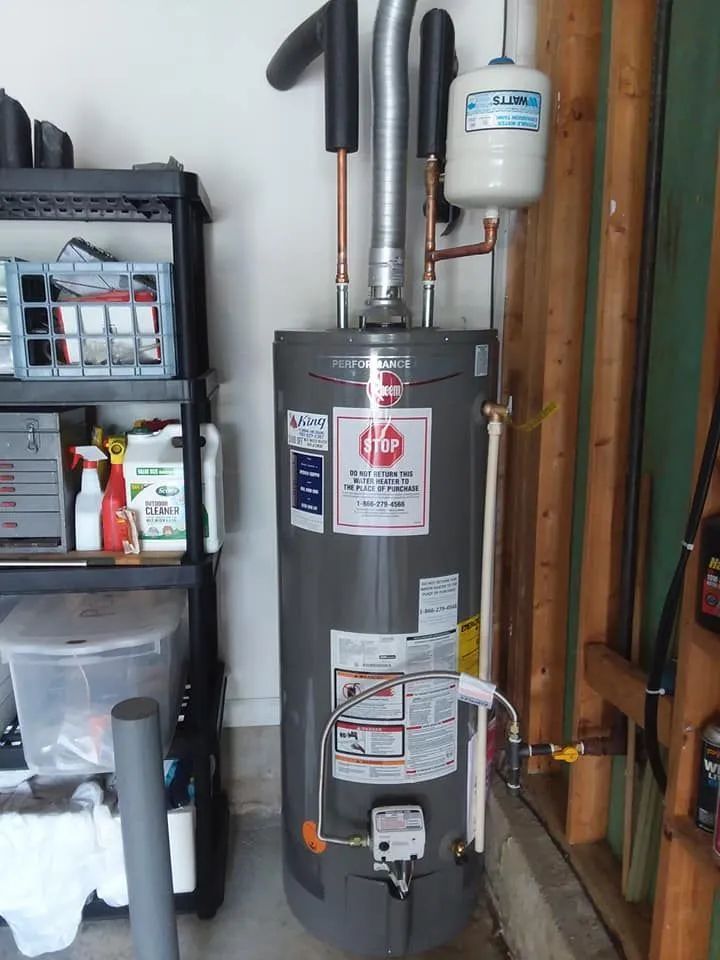
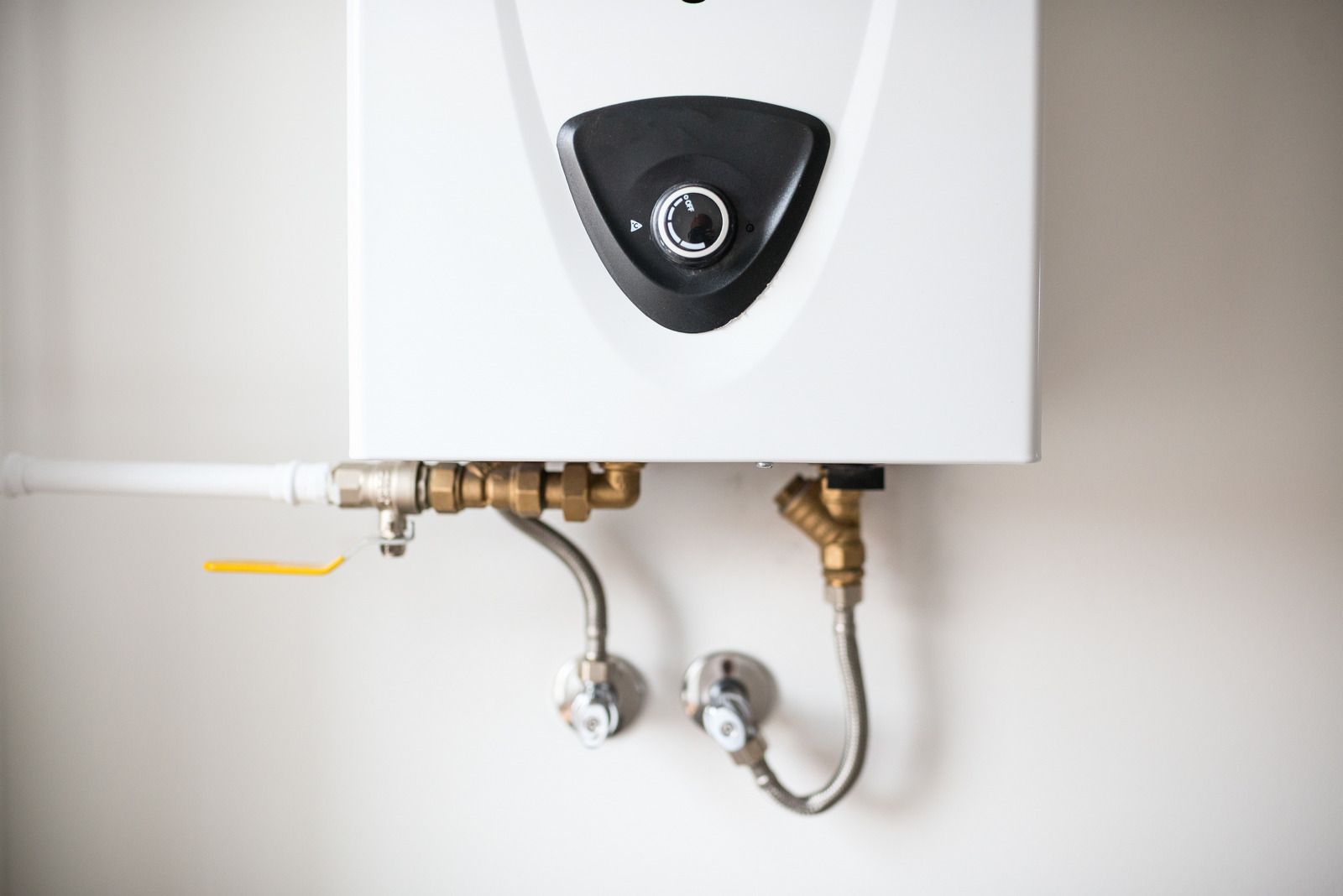
Some plumbers specialize in certain areas, such as complete bathroom remodels, water heater installation, or advanced leak detection services. Identifying your home’s specific plumbing needs allows you to select a plumber with the most relevant expertise and experience. For instance, a plumber experienced in tankless water heaters can provide accurate installation, maintenance advice, and efficiency recommendations—ensuring your system performs optimally for years to come.
Benefits of Experienced Specialists
Hiring an experienced, specialized plumber significantly reduces risk, saves time, and ensures high-quality workmanship on every project. Their knowledge allows for faster problem diagnosis, fewer errors, and more durable, long-lasting results. A seasoned professional also offers valuable insights on preventive maintenance, helping homeowners avoid future plumbing issues while protecting their overall investment.
Analyzing Reviews and References
Importance of Customer Feedback
One of the most reliable ways to evaluate a residential plumber is through online customer reviews and personal references. Platforms such as Google, Yelp, and Angi provide firsthand accounts of service quality, punctuality, professionalism, and reliability. While some negative reviews are normal, consistent complaints about delays, poor workmanship, or unprofessional behavior serve as significant warning signs for homeowners seeking dependable service.
Requesting References
For major plumbing projects or significant home upgrades, requesting references from previous clients is strongly advisable. A reputable plumber should have a list of satisfied customers willing to share their experiences honestly. Speaking directly with past clients offers valuable insights into the plumber’s reliability, communication skills, problem-solving abilities, and overall service quality.
Example of Review Analysis
Imagine a homeowner seeking a new plumbing system installation. Online reviews indicate that one plumber delivers exceptional results but occasionally runs late, while another is always punctual but lacks specialized expertise. By carefully weighing priorities—expertise versus punctuality—the homeowner can make a well-informed decision aligned with their project goals and long-term expectations.
Comparing Pricing and Estimates
Understanding Fair Pricing
While cost shouldn’t be the sole factor, understanding pricing is critical when hiring a residential plumber for any repair or upgrade. Most professional plumbers provide written estimates that clearly outline labor, materials, and potential contingencies. Avoid hiring solely based on the lowest quote, as extremely low bids can indicate shortcuts, substandard materials, or hidden fees that create future expenses.
Obtaining Multiple Estimates
Obtaining at least three detailed quotes allows homeowners to fairly compare pricing and services before hiring. Carefully analyze each estimate, paying attention to material quality, labor charges, potential additional service costs, and included warranties. Transparent pricing reflects professionalism, honesty, and reduces the likelihood of unexpected financial surprises later in the project.
Example Scenario
A homeowner seeks a kitchen sink upgrade with modern fixtures. One plumber offers a surprisingly low estimate but uses cheaper, lower-quality materials, while another provides a slightly higher bid that includes premium fixtures and a comprehensive workmanship warranty. Investing in quality materials and experienced labor ultimately saves money, prevents frequent repairs, and reduces stress in the long term.
Evaluating Communication and Professionalism
Effective Communication
Clear and consistent communication is essential throughout any plumbing project, regardless of size. A professional plumber explains the work process, potential challenges, and realistic timelines thoroughly. They answer questions patiently, provide practical advice, and help homeowners make informed decisions about materials, repairs, and upgrades without leaving uncertainty or confusion.
Assessing Professionalism
Professionalism is evident in punctuality, courtesy, respect for your home, and attention to safety and detail. Plumbers who arrive on time, wear clean uniforms, follow safety protocols, and provide printed estimates demonstrate a strong commitment to quality service. Small indicators of professionalism often reflect a larger culture of accountability, responsibility, and dedication.
Real-World Impact
Consider a scenario where a homeowner hires a plumber for a bathroom remodel project. A plumber who communicates effectively provides a clear schedule, alerts the homeowner to unforeseen issues, and explains material and design choices. The result is a smooth, stress-free project that meets expectations. In contrast, poor communication can lead to misunderstandings, delays, and frustration throughout the process.
Checking Warranties and Aftercare Services
Importance of Warranties
A reputable residential plumber always stands behind their work with warranties or service guarantees. Warranties cover defective workmanship, substandard materials, or installation errors for a specific period, providing homeowners with peace of mind. Without proper warranty coverage, future repairs could become unexpectedly costly, even if the initial work was subpar or improperly completed.
Aftercare and Maintenance
Beyond repairs and installations, a reliable plumber provides ongoing support and maintenance services. This can include regular maintenance checks, troubleshooting guidance, and emergency plumbing services. Homeowners benefit from establishing a relationship with a plumber who understands their home’s unique plumbing system and can offer proactive solutions before minor issues escalate into major problems.
Benefits of Post-Service Support
Post-service support ensures that plumbing issues are addressed promptly, prevents long-term damage, and extends the overall lifespan of the plumbing system. A plumber who commits to aftercare demonstrates professionalism, reliability, and a strong customer-focused approach, fostering trust and long-term satisfaction for homeowners.
Reliable Home Plumbing Services From Experienced Professionals
Choosing the right residential plumber involves more than evaluating credentials or pricing. It requires a thorough understanding of experience, specialization, customer feedback, professionalism, and post-service support. By carefully assessing these factors, homeowners can select a plumber who delivers reliable, high-quality work, prevents future issues, and enhances the efficiency and safety of their home plumbing systems. Making an informed choice not only protects your investment but also ensures peace of mind during repairs or upgrades.
When it comes to trusted,
professional plumbing services
in Shallotte and Brunswick County, North Carolina, King Plumbing and Drains, LLC
stands out with 27
years of experience serving residential clients. Their licensed, insured, and highly skilled team delivers comprehensive plumbing solutions—from emergency repairs to system upgrades—with a commitment to quality, efficiency, and customer satisfaction. Homeowners can rely on King Plumbing and Drains, LLC
for expert guidance, transparent pricing, and dependable aftercare. With a focus on professionalism and lasting results, they remain a go-to authority for homeowners seeking peace of mind and excellence in every plumbing project.