
10 Common Household Plumbing Issues and How to Spot Them Early
Plumbing systems are the backbone of every household, quietly working behind the walls and beneath floors to ensure clean water supply, proper drainage, and overall comfort. Yet, despite their importance, many homeowners only pay attention to their plumbing when problems escalate into emergencies. From small leaks to major pipe bursts, unnoticed issues can quickly lead to costly repairs, water damage, and even health hazards. Recognizing potential problems early is crucial for maintaining a safe, functional, and efficient home.
Understanding common plumbing issues and learning how to spot them before they worsen can save time, money, and stress. Early detection allows homeowners to address minor problems proactively rather than reacting to emergencies that disrupt daily life. By identifying warning signs, performing basic inspections, and knowing when to call a professional, homeowners can extend the lifespan of their plumbing systems and prevent avoidable damage. This guide highlights ten of the most common household plumbing issues, providing practical advice on how to recognize them, the risks they pose, and strategies for early intervention. Equipped with this knowledge, you can safeguard your home and ensure that your plumbing system remains reliable for years to come.
1. Leaky Faucets and Fixtures
Why Leaks Occur
Leaky faucets are one of the most frequent plumbing complaints. They often result from worn-out washers, damaged O-rings, or corroded valve seats. Even a slow drip can waste hundreds of gallons of water annually, leading to inflated utility bills and potential water damage.
Early Warning Signs
- Persistent dripping sounds, even when taps are off
- Water pooling around sink basins or countertops
- Discoloration or mineral buildup around fixtures
Prevention and Maintenance
Regular inspection of faucets and tightening loose handles can prevent leaks from worsening. Replacing washers and O-rings when wear is visible is a simple yet effective solution. For durable fixtures, consider corrosion-resistant materials, and schedule periodic professional maintenance to ensure longevity.
Real-World Scenario
Many homeowners overlook a slow kitchen faucet drip, only to discover mold growth under cabinets months later. Early repair could have prevented the damage entirely.
2. Running Toilets
Causes of Constant Running
A running toilet often indicates a malfunctioning flapper valve, fill valve, or chain. Water continuously flows into the bowl or tank, wasting water and increasing utility bills.
How to Identify the Issue
- Hearing water running after flushing
- Toilet tank constantly refilling without use
- Higher-than-usual water bills
Solutions and Best Practices
Check the flapper for wear and replace it if it no longer forms a tight seal. Inspect the fill valve for proper function, and adjust the chain length to ensure the flapper closes correctly. Installing a high-efficiency toilet can prevent future issues and conserve water.
Expert Insight: Fixing a running toilet promptly not only reduces water waste but also prevents internal tank damage, which could lead to more extensive repairs.
3. Clogged Drains
Common Causes
Clogged drains are usually caused by hair, soap scum, food particles, grease, or foreign objects. Over time, these materials accumulate, slowing water flow and creating backups.
Signs to Watch For
- Slow-draining sinks, bathtubs, or showers
- Foul odors emanating from drains
- Gurgling sounds in pipes
Preventive Measures
Use drain strainers to catch debris, avoid pouring grease down sinks, and periodically flush drains with hot water. For tougher clogs, mechanical tools such as drain snakes or professional hydro-jetting services can restore proper flow without damaging pipes.
Real-World Example
A bathroom sink clogged with hair and toothpaste residue may drain slowly for months before backing up entirely, creating an urgent plumbing emergency. Early action saves both time and cost.
4. Low Water Pressure
Causes and Risks
Low water pressure often indicates pipe corrosion, mineral buildup, or leaks. Older homes with galvanized piping are especially prone to this issue. Inconsistent pressure can affect shower comfort, appliance efficiency, and overall home functionality.
Detecting Low Pressure
- Weak flow in showers and faucets
- Uneven water pressure throughout the home
- Longer times to fill bathtubs or sinks
How to Address It
Start by cleaning faucet aerators and showerheads. Check for leaks in supply lines, and consider professional evaluation if corrosion is suspected. Replacing old piping with modern materials like PEX or copper improves water pressure and reduces future maintenance concerns.
Expert Tip: Regular inspection of pressure-reducing valves and pipes helps maintain optimal water flow and extends the life of your plumbing system.
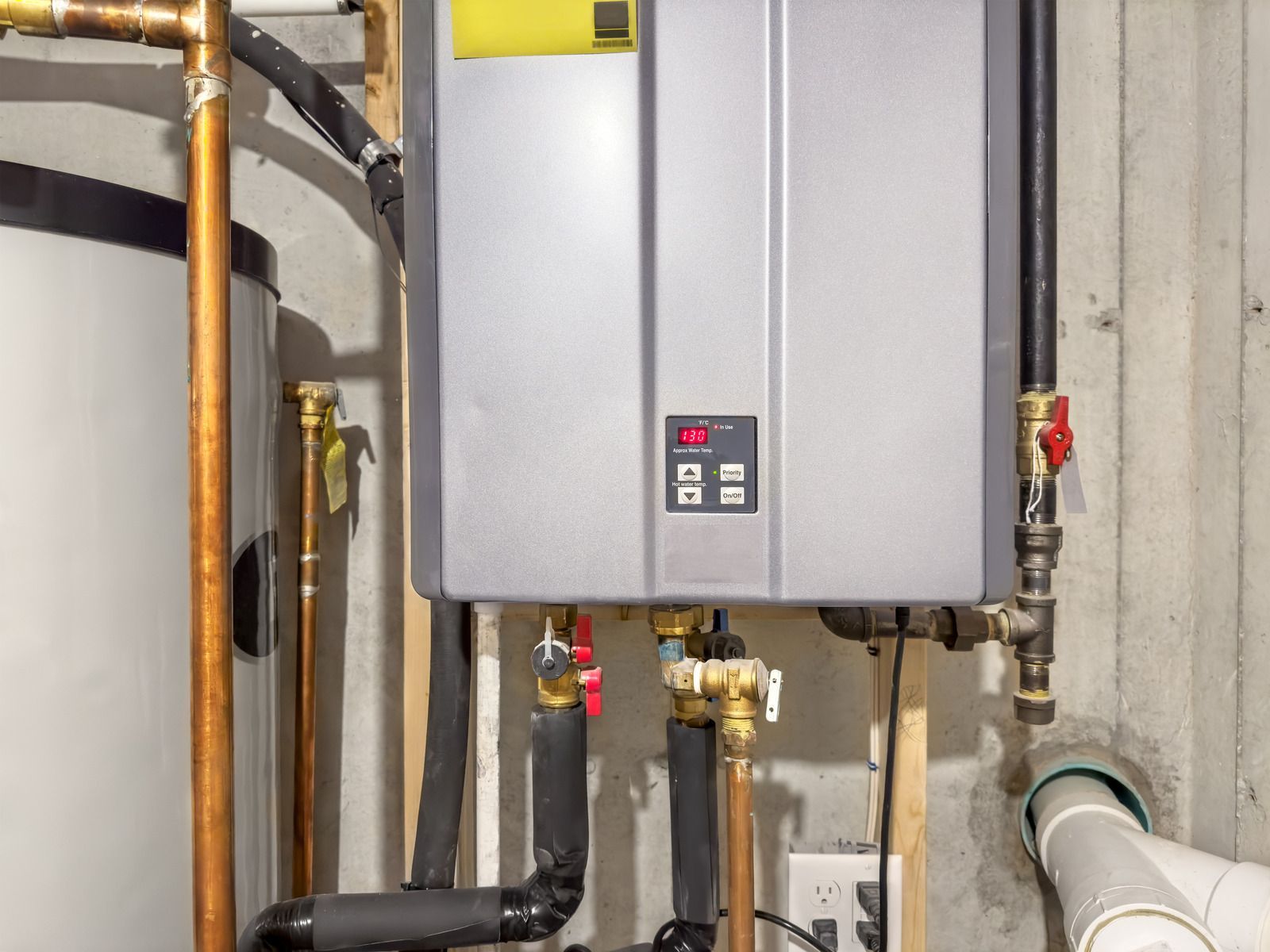
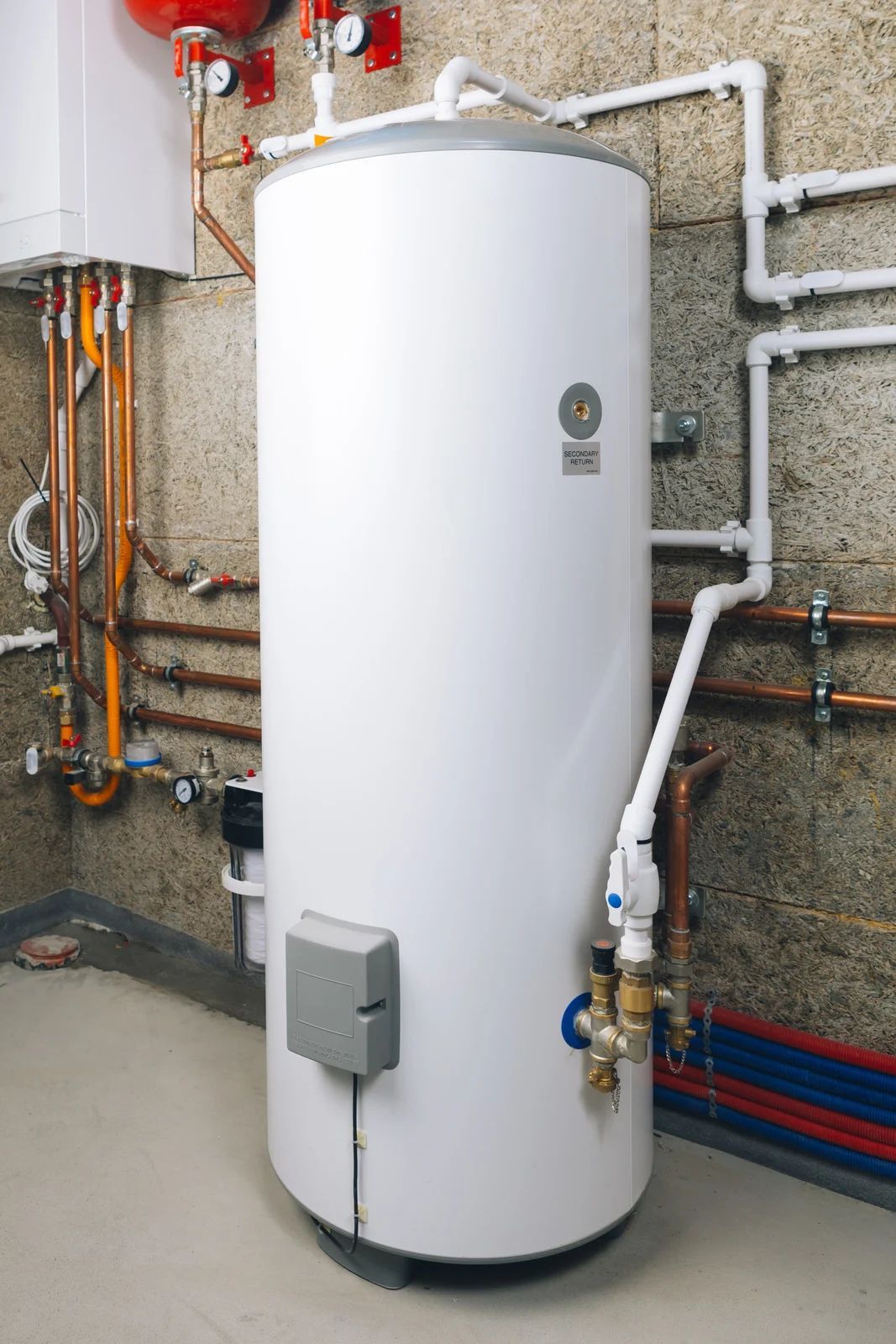
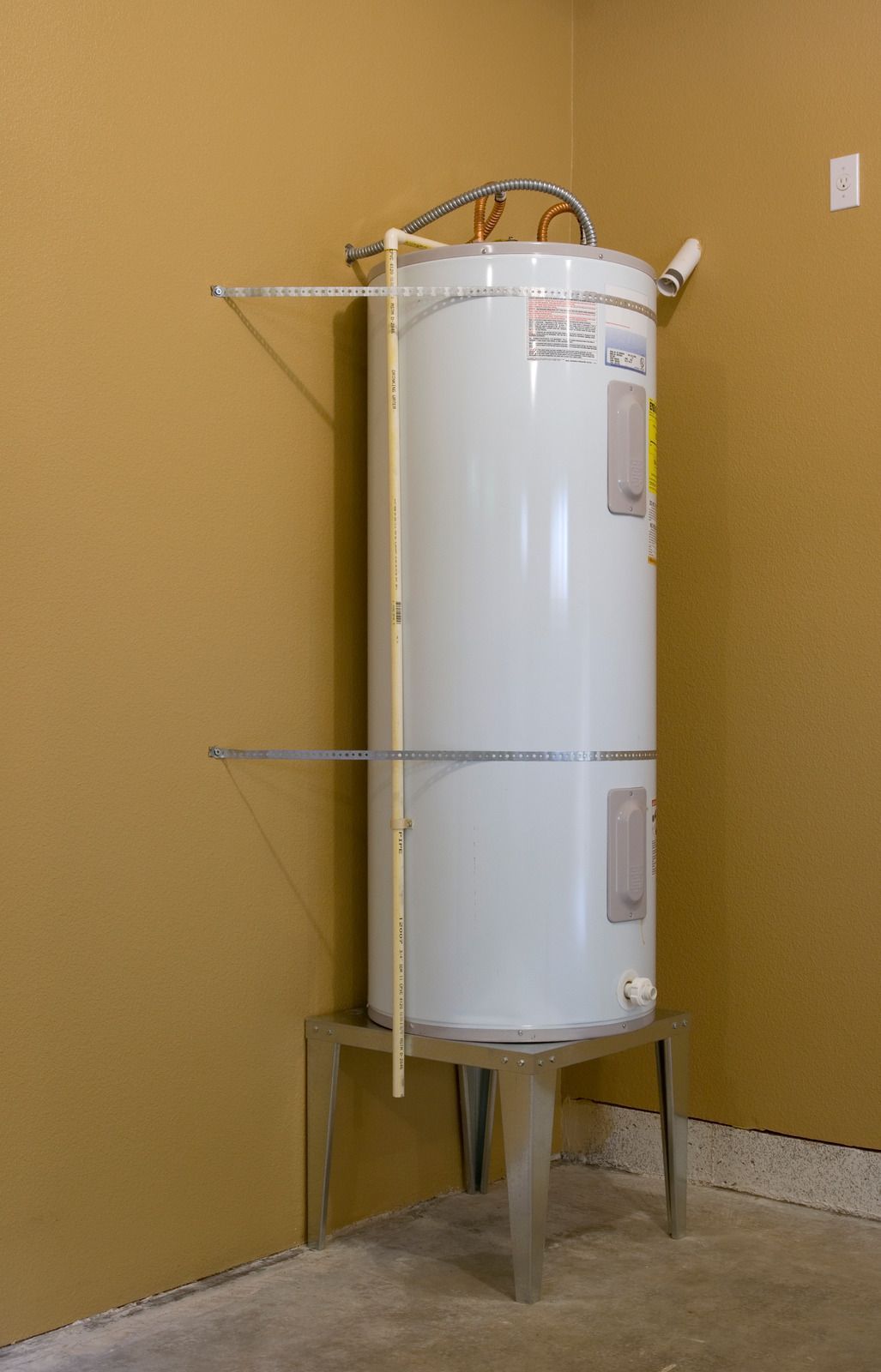
5. Water Heater Problems
Common Issues
Water heaters can experience sediment buildup, pilot light malfunctions, thermostat failures, and leaks. Ignoring these problems can lead to inconsistent water temperatures, reduced efficiency, or complete system failure.
Early Indicators
- Water temperature fluctuations
- Rusty or discolored water
- Strange noises, such as popping or banging
- Visible leaks near the tank
Preventive Steps
Flushing the water heater annually removes sediment and improves efficiency. Inspect the anode rod for corrosion and test the temperature-pressure relief valve to ensure safe operation. Prompt attention to minor issues can prevent the need for costly replacements.
Scenario
Homeowners who notice inconsistent water temperature often delay addressing the problem, eventually leading to a full tank replacement that could have been avoided with timely maintenance.
6. Pipe Leaks and Burst Pipes
Why Pipes Leak
Pipes can develop leaks due to corrosion, freezing temperatures, high water pressure, or poor installation. Burst pipes, in particular, can cause severe water damage in minutes.
Warning Signs
- Wet spots on walls, ceilings, or floors
- Unexplained increase in water bills
- Low water pressure or damp odors in closets or crawlspaces
How to Mitigate Damage
Insulate exposed pipes, maintain proper indoor temperatures, and perform regular inspections. When leaks are detected, shut off the main water supply and consult a professional plumber for immediate repair. Preventive maintenance, including replacing aging pipes, is critical to avoiding catastrophic failures.
Real-World Insight
Wintertime pipe bursts are a common cause of emergency plumbing calls. Early identification of vulnerable areas can save thousands in repair costs.
7. Sewer Line Issues
Causes of Sewer Problems
Tree root intrusion, broken pipes, and excessive grease buildup are primary causes of sewer line damage. Blocked or compromised sewer lines can lead to sewage backups, foul odors, and potential health hazards.
Early Warning Signs
- Slow drains in multiple fixtures simultaneously
- Foul odors from toilets or drains
- Gurgling sounds in pipe
- Unexplained patches of soggy lawn above underground lines
Best Practices for Prevention
Avoid flushing non-degradable items, minimize grease disposal down kitchen drains, and have sewer lines inspected periodically using video camera technology. Promptly addressing minor blockages prevents more extensive and expensive repairs.
Expert Reasoning: Detecting sewer line problems early reduces the risk of water contamination, structural damage, and significant health concerns.
8. Sump Pump Failures
Importance of Sump Pumps
Sump pumps protect basements and crawlspaces from flooding by redirecting groundwater away from the home. Failure can result in severe water damage, mold growth, and structural issues.
Signs of Potential Failure
- Strange noises during operation
- Frequent cycling on and off
- Water pooling around the basement
- Visible rust or corrosion
Maintenance Tips
Test the sump pump regularly, clean the pit to remove debris, and consider installing a battery backup for power outages. Annual professional inspections ensure the pump remains operational during critical times.
Real-World Example
A homeowner ignoring subtle sump pump issues during rainy seasons may face significant basement flooding, causing extensive damage to personal belongings and the foundation.
9. Faucet and Showerhead Mineral Buildup
Understanding Mineral Deposits
Hard water leaves mineral deposits like calcium and magnesium on faucets and showerheads. These buildups reduce water flow and can eventually damage plumbing fixtures.
Early Detection
- Reduced water pressure at individual fixtures
- White or greenish crust on metal surfaces
- Irregular spray patterns in showerheads
Prevention and Care
Install water softeners to minimize mineral accumulation, clean fixtures regularly with vinegar or mild descaling agents, and replace severely corroded components. Addressing buildup early prevents long-term damage and maintains fixture efficiency.
Scenario:
A clogged showerhead may initially seem minor, but untreated mineral buildup can affect multiple connected pipes, leading to more expensive repairs.
10. Hidden Mold and Water Damage
Connection to Plumbing
Leaking pipes, poor drainage, and humidity issues can create ideal conditions for mold growth. Mold not only damages building materials but also poses serious health risks to occupants.
Warning Signs
- Musty odors in closets, basements, or bathrooms
- Discoloration or stains on walls and ceilings
- Peeling paint or wallpaper
- Respiratory irritation in household members
Mitigation Strategies
Inspect areas prone to moisture regularly, repair leaks promptly, and use dehumidifiers in damp spaces. Professional mold remediation may be necessary for significant infestations. Proactive attention to water damage prevents mold from spreading and safeguards both property and health.
Expert Tip: Mold prevention begins with proper plumbing maintenance and timely leak detection, emphasizing the importance of regular home inspections.
Trusted Plumbing Experts Safeguard Your Home Efficiently
Early detection of plumbing issues is essential to maintaining a functional, efficient, and safe household. From leaky faucets and running toilets to clogged drains, low water pressure, and hidden mold, recognizing the signs of potential problems allows homeowners to take preventive action before minor inconveniences turn into costly emergencies. By conducting regular inspections, performing simple maintenance tasks, and addressing warning signs promptly, households can reduce water waste, avoid structural damage, and extend the lifespan of plumbing systems.
At King Plumbing and Drains, LLC, we understand the critical role that proactive plumbing care plays in protecting your home. With 27
years of experience serving Shallotte and Brunswick County, North Carolina, our team is committed to providing reliable, professional plumbing solutions. Whether it’s routine maintenance, leak detection, or emergency repairs, we combine expert knowledge with hands-on experience to ensure your plumbing systems remain efficient and worry-free. Trust King Plumbing and Drains, LLC
to safeguard your home with skill, integrity, and unmatched dedication.