
Tank vs Tankless: How Different Water Heaters Work Explained
The shower runs warm for four minutes, then turns cold while the shampoo is still in your hair. You bump the thermostat, wait an hour, and get the same short window of hot water all over again. That moment is what sends most people searching for the difference between a tank and a tankless water heater. Here is the short version before the details: a tank stores a set amount of hot water and runs out, while a tankless unit heats water only as it flows and never holds a reserve. Neither one is automatically better. The right answer depends on how your home uses water and what your incoming water is like.
After years working under sinks, in crawlspaces, and beside garage walls across the coast, we can tell you the deciding factor is rarely the brochure spec. It is your water, your peak demand, and the way your home was plumbed. Once you see how each system moves and heats water, the choice gets clearer.
How a tank water heater works
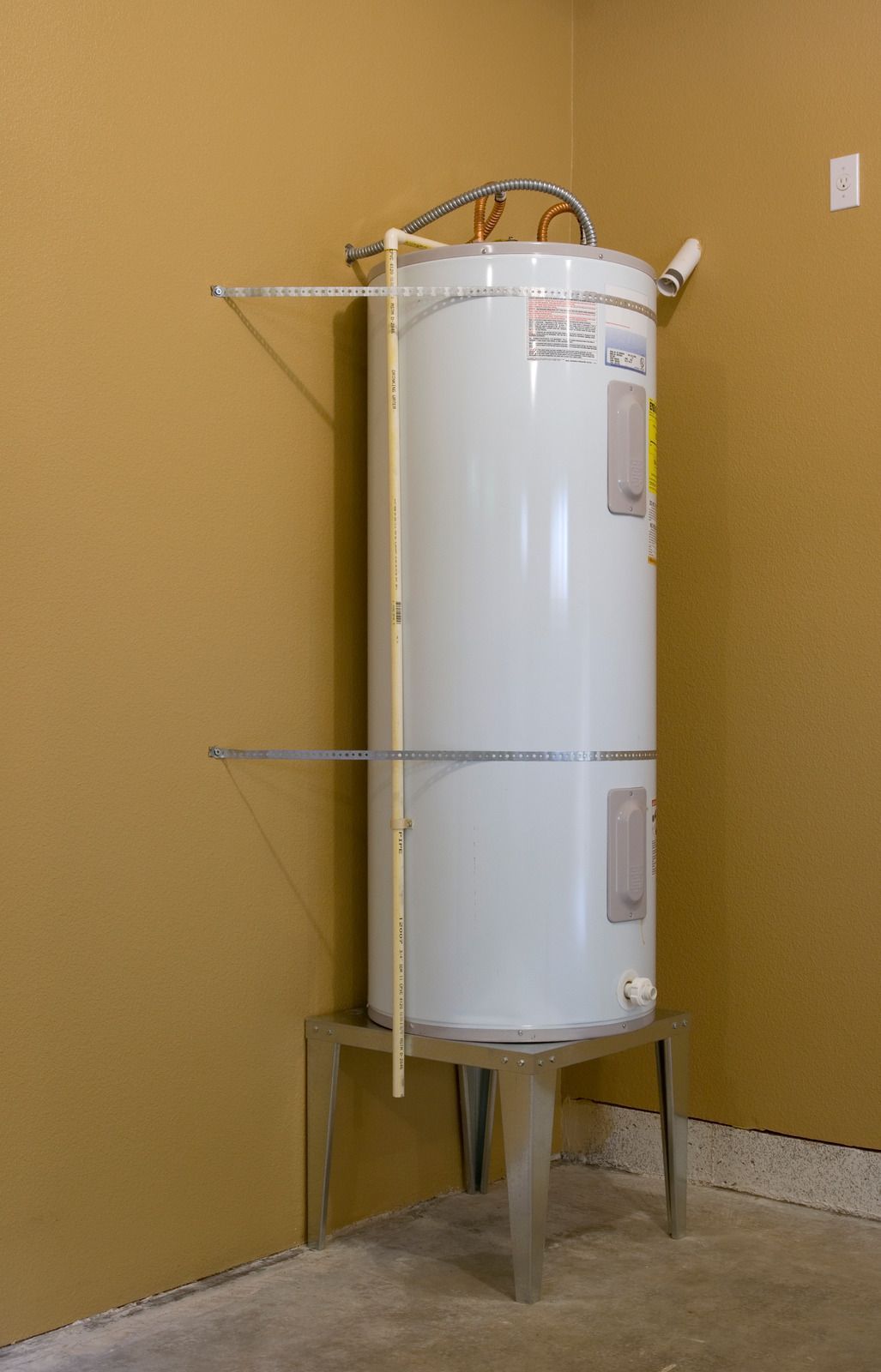
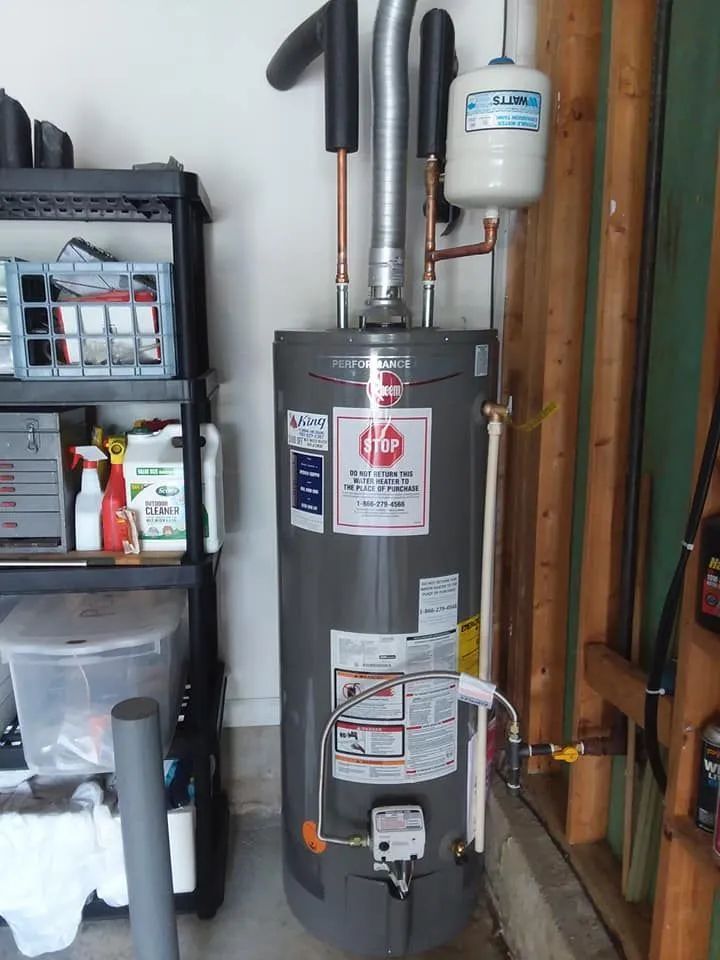
A tank water heater keeps a standing supply of hot water ready at all times. Most residential tanks hold 40 to 50 gallons. Cold water enters through a dip tube that pushes incoming water to the bottom, where a gas burner underneath or two electric elements inside warm it. A thermostat holds the stored water near 120 degrees. As you draw hot water from the top, fresh cold water refills the bottom, and the burner or elements fire again to catch up. That catch up time is called recovery.
The limit you feel in the shower is simple physics. Once you pull more hot water than the tank can reheat, the temperature drops. A 40 gallon tank reheats slowly compared to how fast a shower, a dishwasher, and a load of laundry empty it. On service calls we frequently find the unit working fine and the household simply outgrowing the tank size. Sediment makes this worse, because a layer of mineral scale insulates the water from the burner and steals usable capacity.
How a tankless water heater works
A tankless water heater holds no water at all. When you open a hot tap, a flow sensor detects movement, usually around half a gallon per minute, and signals the unit to fire. Water passes through a coiled heat exchanger where a powerful gas burner or a bank of electric elements raises the temperature in seconds, then sends it straight to the faucet. Close the tap and the unit shuts off. Nothing sits heated in storage, which is why these are often called on demand units.
The strength here is endless hot water for a steady draw. The limit is flow rate, measured in gallons per minute. A single tankless unit might deliver 4 to 5 gallons per minute, which covers two showers but can struggle if you run three fixtures plus an appliance at once. On a cold morning the unit works harder to lift colder groundwater to your target, so the achievable flow rate drops. Sizing a tankless system means matching that flow to your busiest moment, not your average one.
Where the two systems really differ
The differences that matter day to day come down to capacity, footprint, lifespan, and how each one ages. This table sets both systems side by side.
| Factor | Tank | Tankless |
|---|---|---|
| Hot water supply | Fixed reserve, runs out under heavy use | Continuous for a steady flow, limited by flow rate |
| Typical lifespan | 8 to 12 years | 18 to 20 plus years with maintenance |
| Space needed | Large floor footprint | Compact, mounts on a wall |
| Standby energy use | Reheats stored water around the clock | Heats only while water flows |
| Sensitivity to hard water | Scale settles in the tank | Scale narrows the heat exchanger faster |
| Recovery after a big draw | Needs time to reheat | No recovery wait, just flow limits |
A tank gives you a buffer. When several fixtures fire at once, the stored gallons absorb the spike until the reserve runs low. A tankless trades that buffer for staying power and a smaller footprint, but it asks you to respect its flow ceiling. Run too many hot fixtures together and the temperature softens, because the burner can only heat so much water per minute.
What our coastal water and weather do to each system
Brunswick County water is hard on water heaters, and we mean that literally. A large share of homes around Shallotte and the inland county draw from wells carrying dissolved minerals, and even municipal supply here leaves scale behind. That mineral content is the single biggest reason both systems fail early in this area. In a tank, scale piles up as sediment and you hear it as popping or rumbling when the burner cooks the layer at the bottom. In a tankless unit the same minerals coat the narrow heat exchanger passages, choke flow, and trip error codes if the system is never descaled.
Our humid coastal climate adds a second factor. Salt air and constant moisture in garages and crawlspaces speed up corrosion on tank shells, fittings, and burner assemblies, especially closer to the water. Mild winters help tankless sizing, since groundwater here rarely gets as cold as it does inland, so a properly sized unit holds its flow rate through the season. Whichever system you run, the mineral load in our water decides how long it lasts.
Choosing the system that fits your home
Pick based on your peak demand, your available space, and how long you plan to stay. A tank suits homes with several people showering close together and a layout where a bulky unit is no problem. A tankless suits homes short on space, households that hate running short on hot water, and owners who want a longer service life and will keep up with descaling. Honest answer: a tankless unit is not a magic upgrade for a large busy household unless it is sized correctly or paired in two units. Sometimes the smarter move is a right sized tank that matches how your family actually draws water.
Age tips the decision too. If your current tank is past ten years, showing rust at the fittings, or rumbling with sediment, you are near the end either way and have a clean opening to compare both paths. If the unit is young and the only issue is capacity, a sizing fix or a recovery adjustment may solve it without a full replacement.
Keeping either system running
Maintenance is where lifespan is won or lost in our water. For a tank, drain and flush the sediment at least once a year, and check the anode rod every couple of years, since that sacrificial rod corrodes on purpose to protect the steel shell and burns out faster in mineral heavy water. For a tankless unit, descale the heat exchanger with a vinegar or approved solution flush once a year, more often on well water, and rinse the inlet screen filter every few months. For both, keep the area dry and check fittings for the corrosion our humidity encourages. Skip these steps and even the best unit gives back years of its life.
Frequently asked questions
Does a tankless water heater really never run out of hot water?
It supplies continuous hot water for a steady draw, so one long shower will not run cold. The real limit is flow rate. Open too many hot fixtures at once and the temperature softens because the burner heats only so much per minute.
Which lasts longer, a tank or a tankless water heater?
A tank typically serves 8 to 12 years, while a tankless unit can run 18 to 20 plus years. That longer life only holds with regular descaling. In our mineral heavy coastal water, a neglected tankless can fail far sooner than its rating.
Is tankless worth it on well water in Brunswick County?
It can be, but only with commitment to maintenance. Well water here carries heavy minerals that coat the heat exchanger and choke flow. Flushing the system once or twice a year keeps it healthy, otherwise scale shortens its life and triggers error codes.
Why does my tank water heater make a rumbling noise?
That sound is sediment. Minerals settle to the bottom of the tank and the burner cooks the layer, so trapped water pops and rumbles as it heats. It signals lost capacity and wasted energy, and a yearly flush usually quiets it down.
Can I switch from a tank to a tankless unit easily?
Sometimes, but it is rarely a simple swap. Tankless units often need a larger gas line, fresh venting, and the right electrical, plus correct sizing for your peak demand. A proper assessment of your home avoids an undersized install that disappoints.
Reliable Hot Water Solutions Built On Decades Of Experience
The core idea is simple: a tank stores and a tankless heats on demand, so your peak demand and your incoming water decide which one serves you better. In our corner of the coast, hard water and humid air push both systems harder than the national average, which makes correct sizing and steady maintenance matter more here than almost anywhere. King Plumbing and Drains, LLC
has spent 27
years sizing, installing, and servicing both kinds of
water heaters
across Shallotte and Brunswick County, North Carolina. If your hot water is running short or your unit is showing its age, reach out and we will help you choose the system that fits your home and our water.