
Preventative Plumbing: Tips for Maintaining Your Plumbing System
Maintaining a healthy plumbing system in your home is essential to avoid costly repairs. By taking some simple steps, you can ensure your pipes, drains, and fixtures remain in good working order. In this blog, we’ll explore a few easy and practical tips for preventative plumbing.
1. Regularly Check for Leaks
One of the simplest things you can do to maintain your plumbing is to check for leaks regularly. Even small leaks can lead to big problems if left untreated. Walk around your house and inspect faucets, showerheads, and exposed pipes. Look for water stains on ceilings and walls. If you notice a sudden increase in your water bill, it might be a sign of a hidden leak. Fixing leaks early can save water and prevent further damage to your plumbing system.
2. Avoid Using Chemical Drain Cleaners
Chemical drain cleaners are a quick solution for clearing clogged drains, but they can be harsh on your pipes. These cleaners often contain strong acids that can corrode pipes over time. Instead of using chemicals, opt for professional plumbers. A plunger or a drain snake can also help in many cases. Keeping drains clear naturally with professional help is safer and more eco-friendly.
3. Be Careful About What You Flush
Toilets are designed to handle human waste and toilet paper but not much else. Flushing other items like wet wipes, cotton balls, or feminine hygiene products can cause severe blockages. These items do not dissolve easily and can clog pipes. Even if the package says flushable, it’s better to throw these items in the trash. Educating everyone in your household about what should and shouldn’t be flushed will help maintain a healthy plumbing system.
4. Install a Water Softener if Necessary
Hard water contains a high amount of minerals like calcium and magnesium. These minerals can build up in your pipes and reduce water flow. They can also leave spots on your dishes and make soap less effective. If you live in an area with hard water, consider installing a water softener. This device will remove the minerals from the water, preventing buildup and keeping your pipes in good condition.
5. Insulate Pipes in Cold Weather
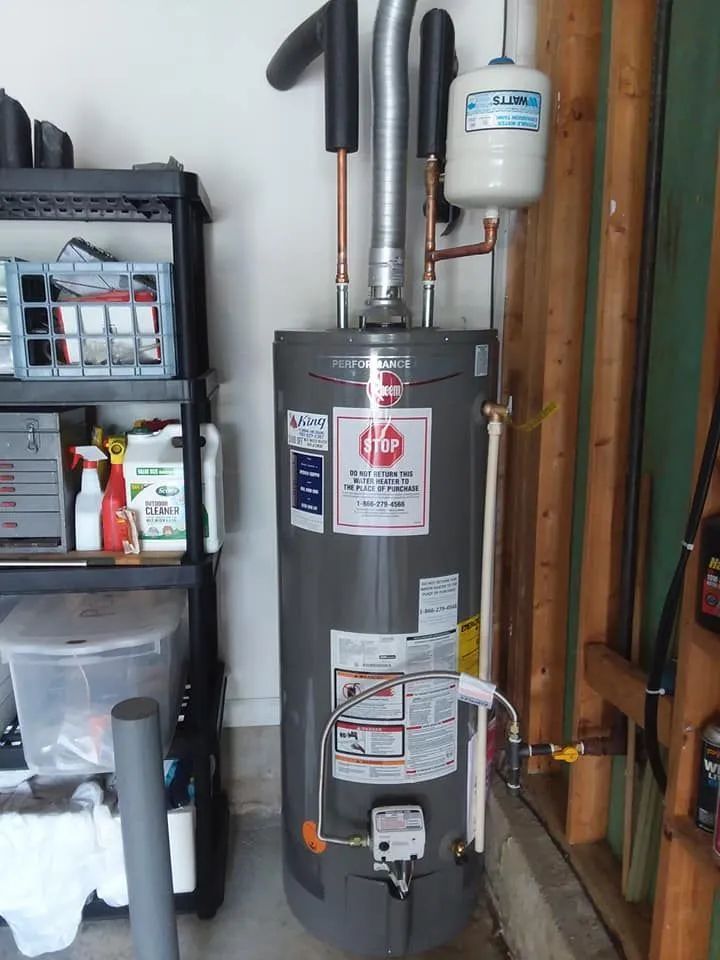
During the winter, pipes can freeze and burst, leading to significant damage. Insulating your pipes is a simple and effective way to prevent this. Foam pipe insulation is inexpensive and easy to install. Wrap the insulation around pipes in unheated areas like the basement or garage. Keeping your home’s temperature at a reasonable level, even when you’re away, can also prevent pipes from freezing.
6. Schedule Regular Professional Inspections
While it’s essential to keep an eye on your plumbing, a professional plumber can spot issues that might not be visible to you. Scheduling regular inspections can help detect problems early before they become major repairs. A professional can also give you specific advice on maintaining your plumbing system based on your home’s setup.
Preventative plumbing doesn’t have to be complicated or time-consuming. By taking these simple steps, you can keep your plumbing system in top condition and avoid unexpected repairs. Regular maintenance and inspections are the keys to a long-lasting plumbing system. By staying proactive, you can enjoy peace of mind knowing that your home’s plumbing is well taken care of.